If you’re replacing a roof in Georgia, you’ll want warranties that actually protect your home, not just a glossy promise. Look for clear contractor and manufacturer coverage, transferable terms, and specific remedies with response times, plus duties you’ll need to do to keep protection intact. I’ll walk you through what to insist on, how claims should work, and the red flags that void guarantees—so you can pick a roofer who stands behind their work.
Understanding Georgia’s Roof Replacement Warranty Standards
When you replace a roof in Georgia, you’ll want to know the warranty terms that protect both workmanship and materials, since state rules and common industry practices shape what’s typically covered and for how long.
You’ll check that contractors provide clear written warranties specifying workmanship duration and exclusions, and you’ll compare material warranties for expected roof lifespan.
You should confirm whether warranties are transferable if you sell the house, and you’ll document installation details and payments to support warranty enforcement.
Keep shingle receipts, manufacturer labels, and contractor communications.
If issues arise, you’ll first contact the contractor, then the manufacturer if needed, and use written notices and photos to build your claim.
Acting promptly preserves your rights and speeds repairs.
Manufacturer vs. Contractor Warranties for Atlanta Homes
Although both manufacturers and contractors issue roof warranties in Atlanta, they cover different risks and require different steps to enforce, so you should know which applies before filing a claim.
Manufacturer warranties typically address product defects and longevity, so you’ll rely on material warranties when shingles, underlayment, or flashing fail due to manufacturing defects.
Contractor warranties focus on installation quality; labor guarantees cover improper flashing, poor fastening, or workmanship that leads to leaks.
When a problem appears, check paperwork to identify whether the defect is product- or installation-related, then contact the responsible party.
Keep invoices, photos, and inspection reports.
If the contractor won’t honor labor guarantees, document communications and consider mediation or filing a complaint with Georgia licensing authorities before escalating to legal action.
What a Comprehensive Residential Roof Warranty Should Cover
If you want true peace of mind, a thorough residential roof warranty should protect both materials and workmanship, outline coverage limits and duration, and explain your responsibilities for maintenance and claims.
You’ll want explicit material lifespan expectations—what fails when and whether full replacement or prorated credits apply.
The warranty should define workmanship coverage for installation errors, flashing, and underlayment, plus timelines for reporting defects.
Look for clear exclusions (storms, neglect, improper modifications) and procedures for filing claims, inspections, and repairs.
It should state who pays labor and disposal, any deductible, and whether routine maintenance is required to keep coverage valid.
Clear remedies, response times, and contact points help you enforce the warranty without surprises.
Transferability and Longevity of Atlanta Roof Warranties
Because roof warranties often outlast the original owner, you’ll want to know whether yours can be transferred, how many times, and what steps are required to keep full coverage in force.
You should check the transferable lifespan: some manufacturers allow only one ownership transfer within a set period, others extend benefits with each sale.
Ask for written transfer terms, required notifications, and any fee or inspection conditions that preserve warranty portability.
Note exclusions tied to improper maintenance or unapproved repairs that can void transfers.
Keep records of installations, maintenance, and communications so you can prove compliance.
When you buy or sell a home in Atlanta, confirm transfer deadlines and paperwork early to avoid surprise gaps in roof protection.
Navigating Warranty Claims After Storm Damage in Georgia
When you face storm damage in Georgia, acting quickly and methodically will make the difference between a smooth warranty claim and a denied one.
First, document everything: photos, timestamps, and written notes about damage and immediate steps you took. Call your warranty provider and insurer right away, and ask which emergency repairs they’ll approve to prevent further loss. Keep receipts and get written authorization for any temporary fixes.
If you hit resistance, escalate calmly—request supervisory review and reference warranty terms to reduce insurance disputes.
Hire licensed contractors familiar with Georgia warranty processes to prepare repair estimates that comply with provider requirements.
Stay organized, meet deadlines, and follow up in writing so your claim moves efficiently toward resolution.
How Local Building Codes Affect Roof Replacement Guarantees
Local building codes set the minimum materials and installation standards your roofer must meet for a replacement to qualify under warranty, so you should verify code requirements before work begins.
You’ll want to confirm that the proposed materials, flashing details, and fastening patterns comply with the local code referenced in your warranty terms; noncompliance can void coverage.
Check permit timelines early, since delayed permits or missed inspections can interrupt warranty activation or create gaps in documented compliance.
Keep copies of permits, inspection reports, and contractor correspondence to prove work met code when you file a claim.
If the contractor suggests shortcuts that skirt code or inspection steps, push back—warranty validity often depends on following both code and permit timelines exactly.
Choosing a Roofer That Backs Up Their Warranty in Atlanta
After confirming code compliance and keeping permit records, you’ll want a roofer who actually stands behind their warranty in Atlanta.
You should verify they offer licensed workmanship and can produce licensing details and local references.
Ask how they handle warranty enforcement—do they manage claims directly, provide clear written procedures, and promise timely repairs?
Insist on a written contract that ties workmanship guarantees to specific remedies, timeframes, and contact steps.
Check for responsive communication, documented inspection reports, and a history of resolving disputes without pushing owners to manufacturers.
Finally, confirm their insurance covers on-site damage and that warranty terms survive ownership transfer if you sell.
That diligence makes certain your warranty is more than marketing—it’s practical protection.
Common Warranty Exclusions Homeowners Should Watch For
Don’t assume every problem will be covered—warranties often exclude specific causes, conditions, and actions that you should know about before signing. You’ll want an exclusion checklist to spot common gaps: damage from storms labeled as "acts of God," improper ventilation, preexisting issues, and work by unapproved contractors.
Note material limitations too—some warranties cap coverage on certain shingles, flashing, or underlayment, or exclude cosmetic fading. Watch for maintenance obligations and time limits for filing claims; missing those can void protection.
Also check whether labor is covered separately from materials and whether transfers to a new owner are allowed. Read the fine print, ask your roofer to explain any jargon, and get exclusions documented in writing before you commit.
Steps to Maintain Your Roof and Preserve Warranty Protection
Knowing what warranties exclude is half the battle; now take steps that keep your roof in the covered category.
You should schedule seasonal inspections—spring and fall—to spot loose shingles, flashing issues, or granule loss before they escalate.
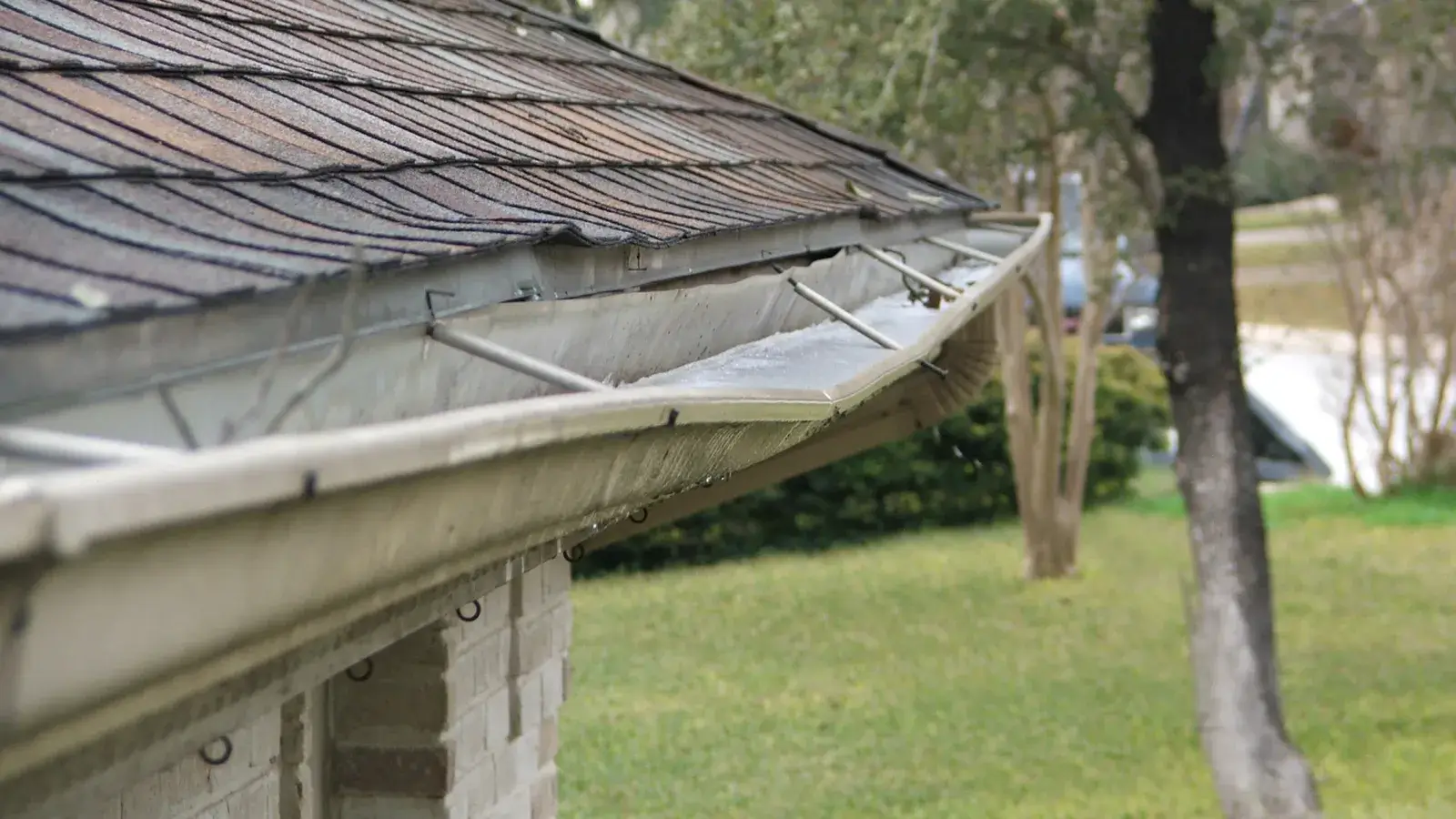
Keep gutters clear so water drains properly; clogged gutters can invalidate coverage if water backflows and damages underlayment.
Trim overhanging branches to prevent abrasion and impact during storms.
Perform vent maintenance to guarantee vents, skylights, and chimneys are sealed and functioning; pests and rust can create gaps that warranties won’t cover.
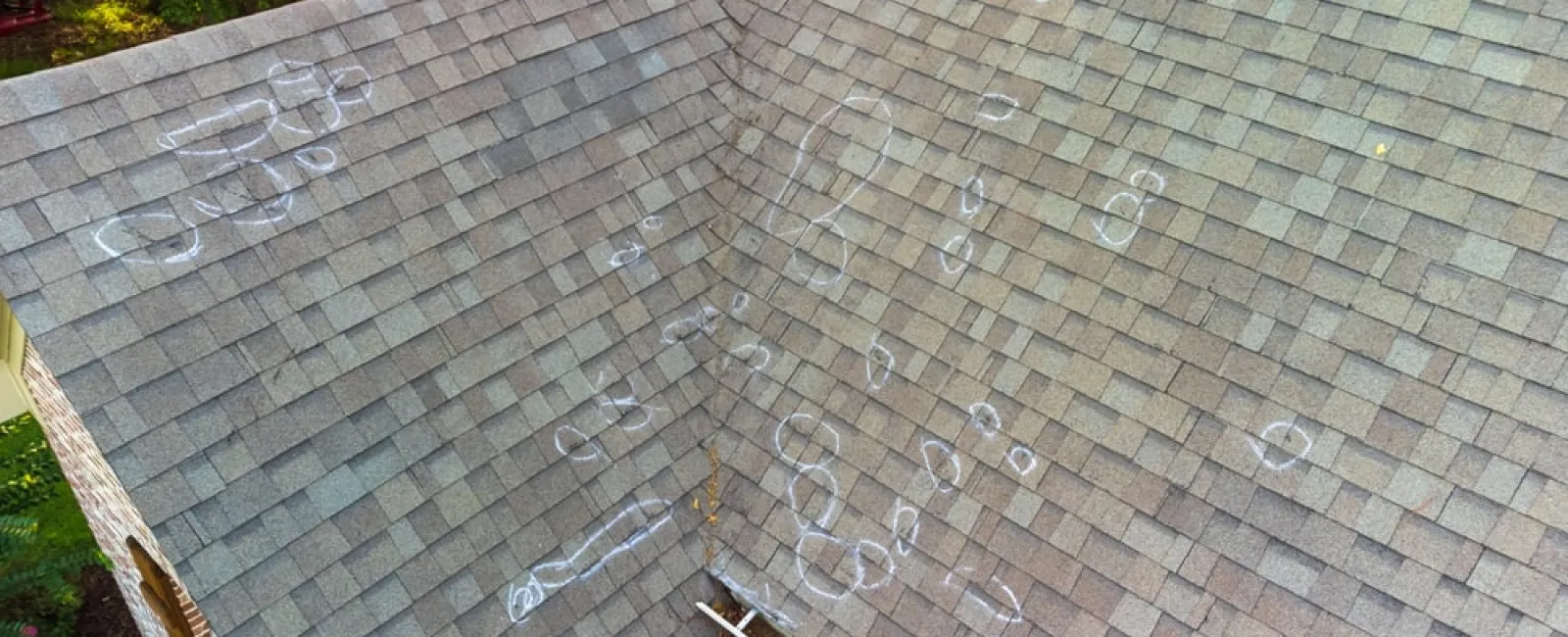
After storms, document damage with photos and dates, then notify your warranty provider promptly.
Regular, documented upkeep shows you met obligations and strengthens any future claim.
Frequently Asked Questions
Are Roof Warranties Transferable to Out-Of-State Buyers After I Move From Georgia?
Usually yes, but you’ll need to check specific warranty clauses and transferability limits.
Some manufacturers allow transfers to out-of-state buyers if you register the change and pay a fee; others restrict transfers to properties in the original state or limit coverage after transfer.
You should review the warranty clauses for geographic or owner-change exclusions, contact the issuer for transfer instructions, and get any approvals in writing to make certain continued protection for the new owner.
Do Warranties Cover Damage From Improperly Installed Solar Panels?
Sometimes, yes — but it depends.
You’ll need to check if your warranty specifically excludes improper installation or limits solar liability. If damage stems from improper installation by the homeowner or an unapproved contractor, the warranty may deny coverage.
If an approved installer caused the issue, you’re more likely covered under installer warranties or producer liability.
Always document installation, get certified installers, and notify the warranty provider promptly to preserve your claim.
Will Routine Hail Inspection Reports Strengthen a Future Claim?
Yes — routine hail inspection reports can strengthen a future claim.
If you document storm damage promptly and consistently, insurers see credible storm documentation that links damage to specific events. Maintain regular inspection frequency (after storms and seasonally), keep dated photos, signed reports and repair estimates, and submit timely notices.
That organized record makes your claim more convincing, speeds processing, and reduces disputes about when or how the hail occurred.
Are Cosmetic Shingle Discolorations Covered Under Any Warranty?
Usually no — you won’t get coverage for cosmetic shingle discolorations unless the warranty explicitly includes cosmetic liability.
You should check your specific policy: most warranties cover functional defects, not color fading or aesthetic issues.
If the warranty mentions color fading or cosmetic liability, document the discoloration with photos and dates, then file a claim.
Otherwise, expect manufacturers or insurers to deny coverage for mere aesthetic changes.
Can a Warranty Require Using the Original Installer Only for Repairs?
Yes — a warranty can require you to use the original installer for repairs. That installer exclusivity is enforceable if the warranty’s repair mandates are clearly stated and lawful.
You’ll want to read the contract closely, confirm any time limits or notice requirements, and check state consumer protection laws that might restrict unfair provisions.
If it seems unreasonable, consult an attorney or your state insurance/consumer agency before agreeing.
Conclusion
You’re better protected when a Georgia roof warranty combines clear, transferable coverage with defined remedies, contractor labor guarantees, and homeowner maintenance duties. Keep records, follow required upkeep—seasonal checks, gutter care, permit compliance—and document damage with photos and written notices. When you pick a roofer who enforces written response times and escalation paths, you’ll preserve warranty benefits and resolve storm or installation disputes efficiently, avoiding surprises from exclusions and ensuring long-term peace of mind.