If you’re weighing roof replacement options in Atlanta, you’ll want solutions that balance upfront cost, durability, and heat resistance. I’ll outline five practical choices—from basic asphalt shingles to low‑cost flat membranes—and point out what to watch for with installers, ventilation, and warranties so you can pick what fits your budget and climate. Keep going to see which option likely makes the most sense for your home.
Budget-Friendly Asphalt Shingle Roofing Options
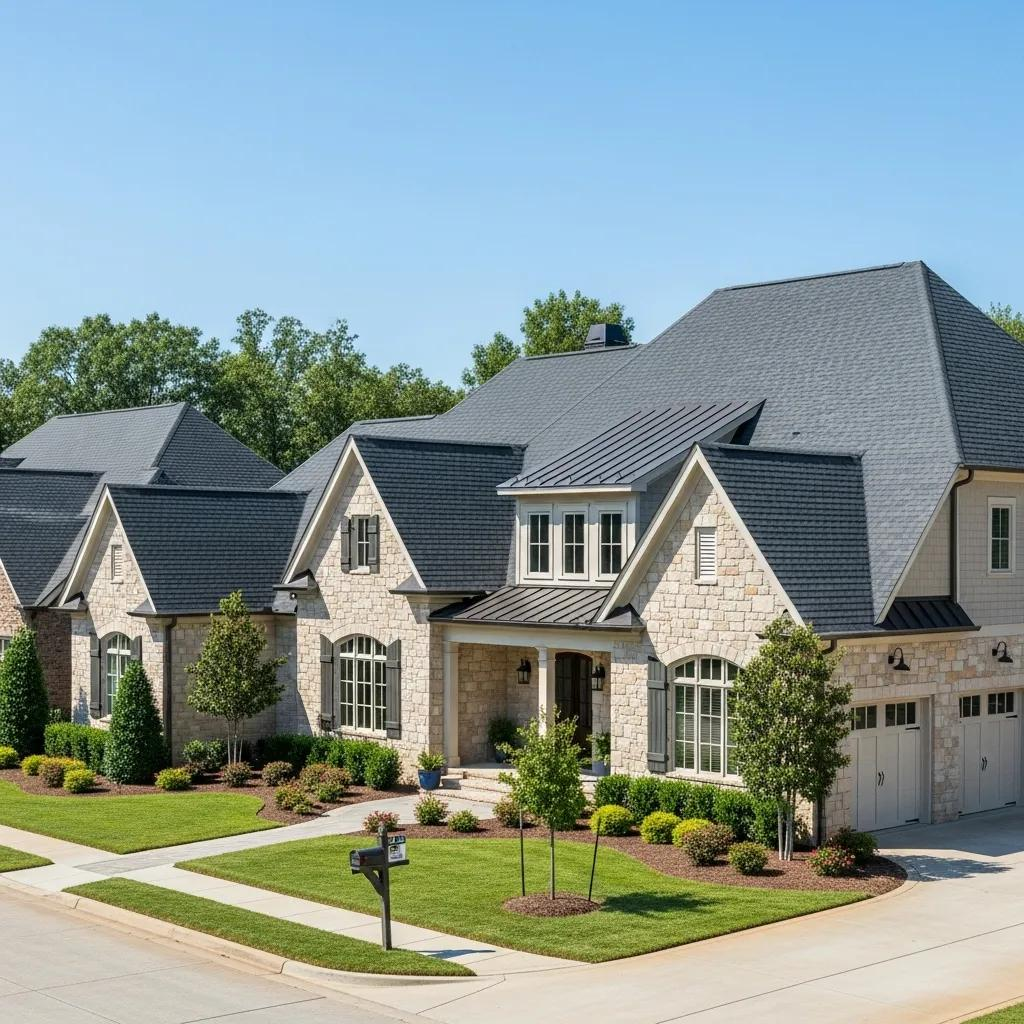
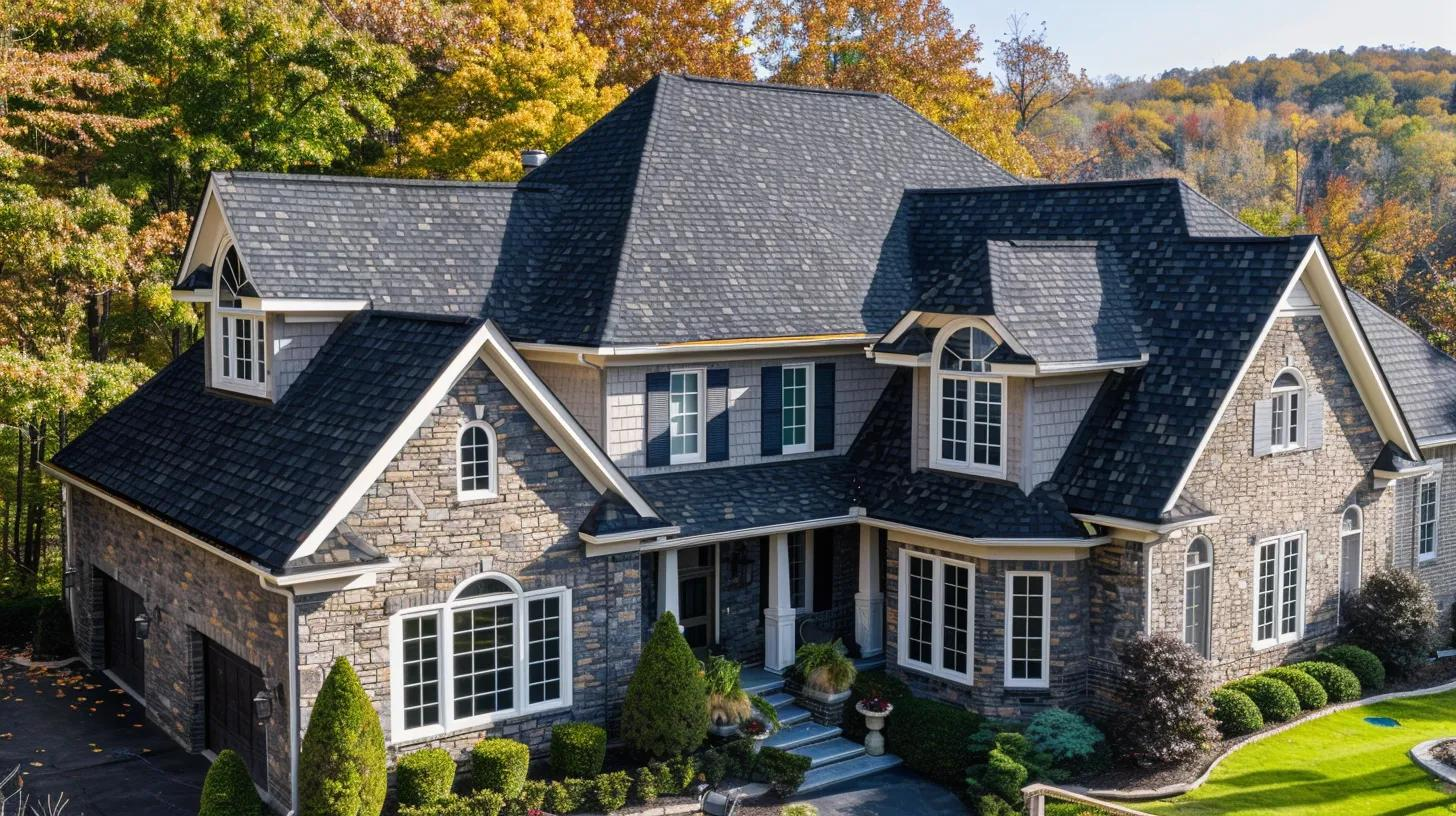
You’ll often find asphalt shingles are the most cost-effective choice for replacing a roof in Atlanta, offering a solid balance of price, durability, and variety.
You’ll want to pick shingles that suit your home’s style while keeping long-term value in mind. Compare basic 3-tab and architectural laminate shingles for warranty differences and expected lifespan.
Don’t overlook color options: lighter tones reflect heat and can help reduce attic temperatures, while darker shades may suit curb appeal better. Look for products with energy efficiency ratings or reflective granules to lower cooling costs.
Installation quality matters as much as material choice, so hire a local roofer who follows manufacturer guidelines. With thoughtful selection and proper installation, you’ll get a reliable, budget-friendly roof.
Cost-Effective Metal Roof Alternatives
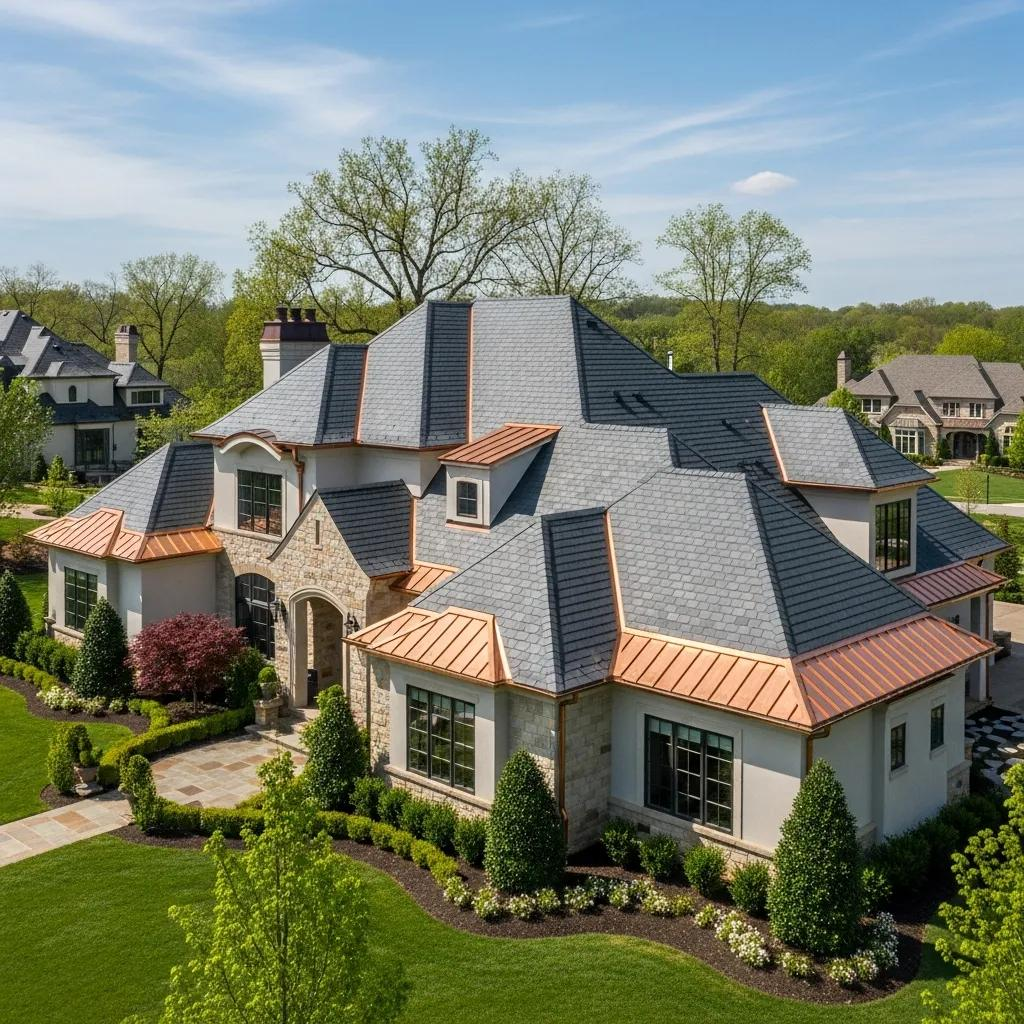
Often overlooked, non-metal roofing options can give you many of the benefits of metal—durability, low maintenance, and improved energy efficiency—at a lower upfront cost. You can choose options that mimic the look of metal without the price: standing seam imitators blend clean lines with affordable substrates, letting you get that modern aesthetic.
If you’re committed to longevity, recycled steel panels offer an eco-friendly middle ground; they reduce waste and often cost less than premium metal systems. Look for installers experienced with these alternatives so flashing and ventilation are handled properly.
You’ll save on materials and sometimes labor, and you won’t sacrifice performance. Compare quotes, warranties, and energy ratings to pick the best value for your Atlanta home.
Affordable Synthetic and Composite Shingles
If you’re weighing non-metal options that capture metal’s look and performance, synthetic and composite shingles deserve a close look for Atlanta roofs.
You’ll find synthetic slate brings the elegance of natural stone without the weight or cost, resisting cracking, fading, and storm damage common here.
Composite cedar offers the warm, textured appearance of wood shakes but avoids rot, insects, and frequent maintenance.
Both types install faster than traditional materials, lowering labor costs, and they meet local wind and fire ratings when you choose certified products.
You’ll want to compare warranties, weight, and energy-reflective coatings to match your budget and climate needs.
For many homeowners, these options balance aesthetics, longevity, and affordability effectively.
Low-Cost Flat Roof Membrane Choices
Consider several budget-friendly membrane options when your home has a flat or low-slope roof—you’ll want materials that resist ponding, handle Atlanta’s storms, and keep installation costs down.
You can choose single-ply membranes like TPO or PVC for durable seams and good ponding resistance; they’re lightweight and install quickly.
Modified bitumen offers a proven, economical option with torch-down or cold-adhesive application, giving you rugged performance.
Elastomeric coatings can extend life at low cost; reflective roof coatings also help reduce cooling loads in summer.
If you want added insulation and stormwater control, explore green roof overlays on lightweight trays rather than full systems to lower expense.
Work with a local contractor to match membrane type to roof slope and drainage.
Economical Roof Repair-to-Replace Strategies
When you’re weighing repair versus replacement, focus first on targeted fixes that extend your roof’s life without masking deeper issues: patching leaks, replacing damaged flashing, and restoring drainage can buy you several years while you plan a full replacement.
You should inspect decking, vents, and flashings to identify what a repair can realistically solve.
Use temporary patching only to stop active water entry until you schedule permanent work.
Consider shingle salvaging to reuse intact materials and reduce costs, but don’t compromise roof integrity by reusing brittle or mismatched shingles.
Prioritize repairs that address structure and moisture control; cosmetic fixes can wait.
Get a clear written estimate comparing staged repairs versus full replacement so you can make a cost-effective, safe decision.
Frequently Asked Questions
How Do Local Atlanta Climate Conditions Affect Roof Material Longevity?
Atlanta’s hot summers and seasonal storms shorten some materials’ lifespan: heat exposure can warp shingles, dry out sealants, and speed UV degradation, while humidity effects encourage mold, rot, and corrosion.
You should pick materials resilient to heat and moisture, maintain ventilation and insulation, and inspect seals regularly.
With proactive care—cleaning gutters, trimming overhangs, and replacing damaged shingles—you’ll extend your roof’s longevity despite Atlanta’s climate challenges.
Are There City Permits Required for Roof Replacement in Atlanta?
Yes — you’ll need building permits for roof replacement in Atlanta, and the city enforces inspection schedules you must follow.
You’ll apply with the Department of City Planning or online, provide plans, and pay fees.
After permit issuance, inspectors will check underlayment, flashing, and final installation at scheduled stages.
You should schedule inspections promptly to avoid delays and make certain your contractor complies with local codes and safety requirements.
What Tax Credits or Rebates Exist for Energy-Efficient Roofs Locally?
You can get federal tax credits for certain energy-efficient roofing materials and may qualify for state incentives that lower costs further. Check Georgia’s programs and local utility rebates from providers like Georgia Power for heat-reflective or solar-ready roofs.
You’ll want to document product specs and contractor certifications to claim credits or rebates. Contact your utility and the state energy office first so you don’t miss stacking opportunities or application deadlines.
How Long Is a Typical Warranty for Budget Roofing Materials in Atlanta?
Typical warranties for budget roofing materials in Atlanta run about 10 to 20 years.
You’ll get Manufacturer warranties covering material defects—often prorated after the first several years—while Labor warranties from your contractor usually last 1 to 5 years and cover installation issues.
You should check both warranties, confirm transferability, and keep documentation.
If you want longer coverage, consider upgrading materials or negotiating extended labor warranties with your roofer.
Can Financing or Payment Plans Be Used for Low-Cost Roof Projects?
Yes — you can often use financing or payment plans for low-cost roof projects.
You’ll find contractors offering payment assistance, short-term loans, or deferred financing to spread costs.
You’ll sign agreements, meet credit checks, and might pay interest, so compare terms.
Ask about hidden fees, timelines, and warranty effects.
If you’re tight on cash, negotiate a smaller down payment or phased work to keep the project affordable and manageable.
Conclusion
You’ve seen affordable roofing paths in Atlanta that balance cost with durability—economy 3‑tab asphalt, architectural laminates, recycled‑steel or metal‑look panels, synthetic composites, and single‑ply TPO membranes. Pick materials that suit your budget, climate and curb appeal goals, and prioritize experienced installers, proper flashing and ventilation, plus energy‑reflective options to cut bills and extend life. With smart choices and timely repairs, you’ll get dependable protection without overspending.