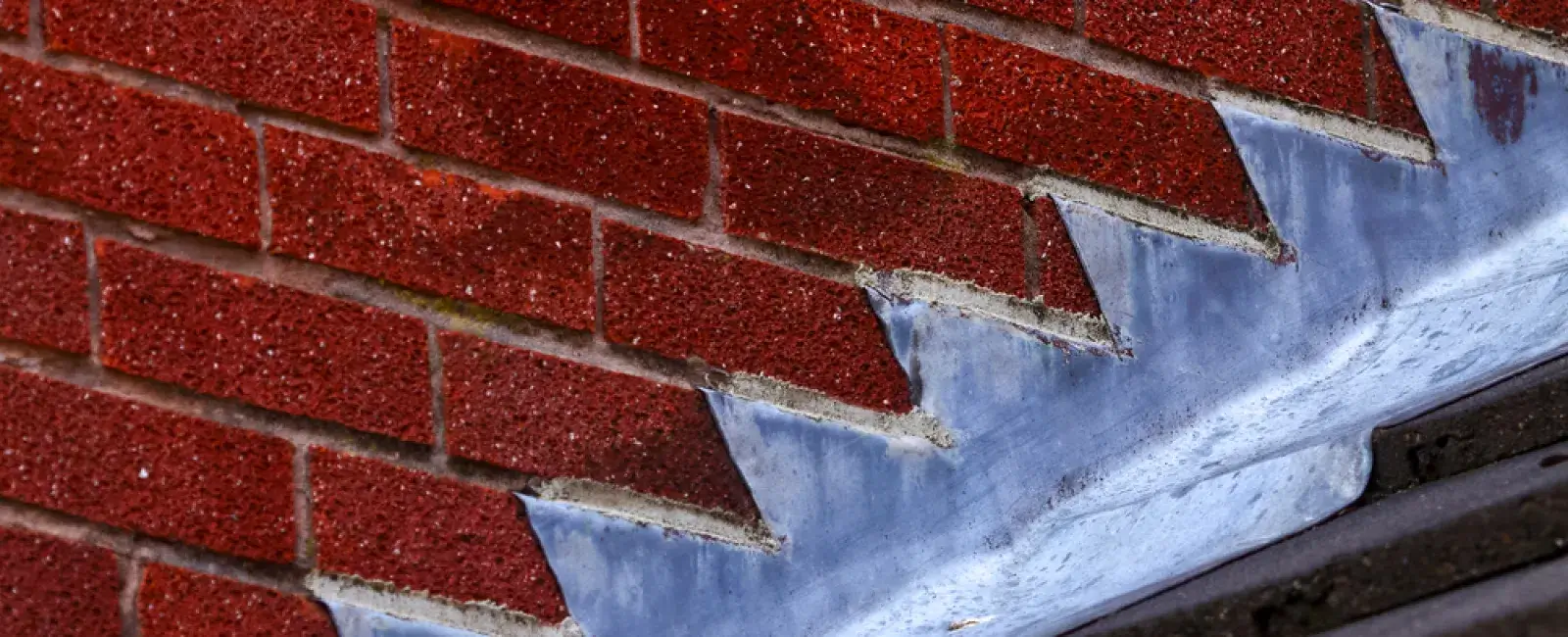
Flashing is the thin strip of metal — usually aluminum, galvanized steel, or copper on higher-end installations — that seals the joints where your roof meets something else. Chimneys, plumbing vents, skylights, walls, valleys, and roof-deck transitions all need flashing. Without it, every one of those joints would leak the first time it rained.
Most homeowners never think about flashing until water shows up on the ceiling. By that point, the flashing has usually been failing quietly for months. This guide covers what flashing is, where it lives on your roof, why it fails, and when it needs to be repaired versus replaced.
Where Flashing Lives on Your Roof
- Step flashing — small bent pieces of metal installed in ‘steps’ where a sloped roof meets a vertical wall, like a dormer or chimney side. Each shingle course gets its own piece.
- Counter flashing — installed over step flashing where the roof meets brick (most commonly chimneys). Tucked into a mortar joint and sealed.
- Valley flashing — a wider piece running down the valley where two roof slopes meet. Either ‘open’ (metal exposed) or ‘closed’ (covered by woven shingles).
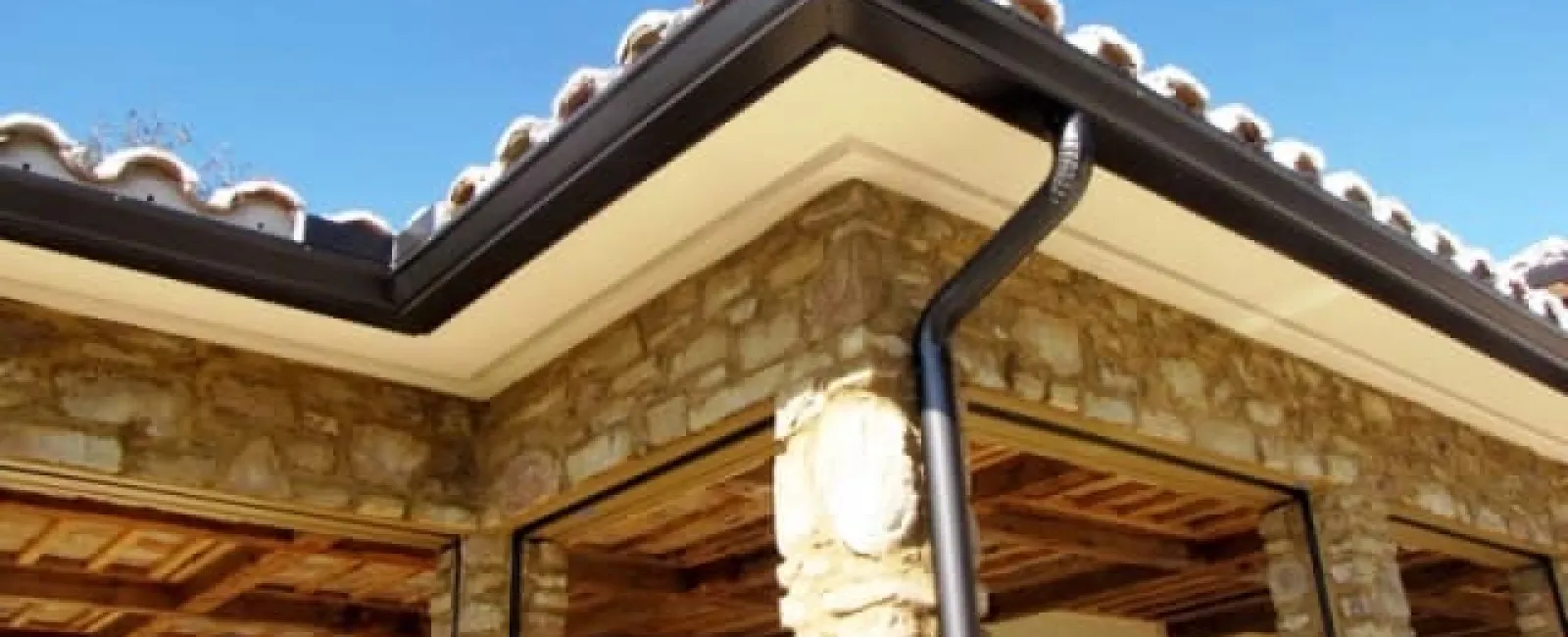
- Drip edge — the L-shaped metal at the roof eaves and rakes that directs water past the fascia and into the gutter rather than behind it.
- Vent and pipe boots — collars around plumbing vents and exhaust pipes.
- Skylight flashing — manufacturer-specific kits that surround the skylight curb.
Why Flashing Fails
Flashing has a shorter lifespan than the shingles around it, and it’s the single most common source of roof leaks in homes built since 1990..
- Aging and oxidation. Aluminum and galvanized flashing dulls, loses its protective coating, and eventually pits or perforates. Copper lasts longer but isn’t immune.
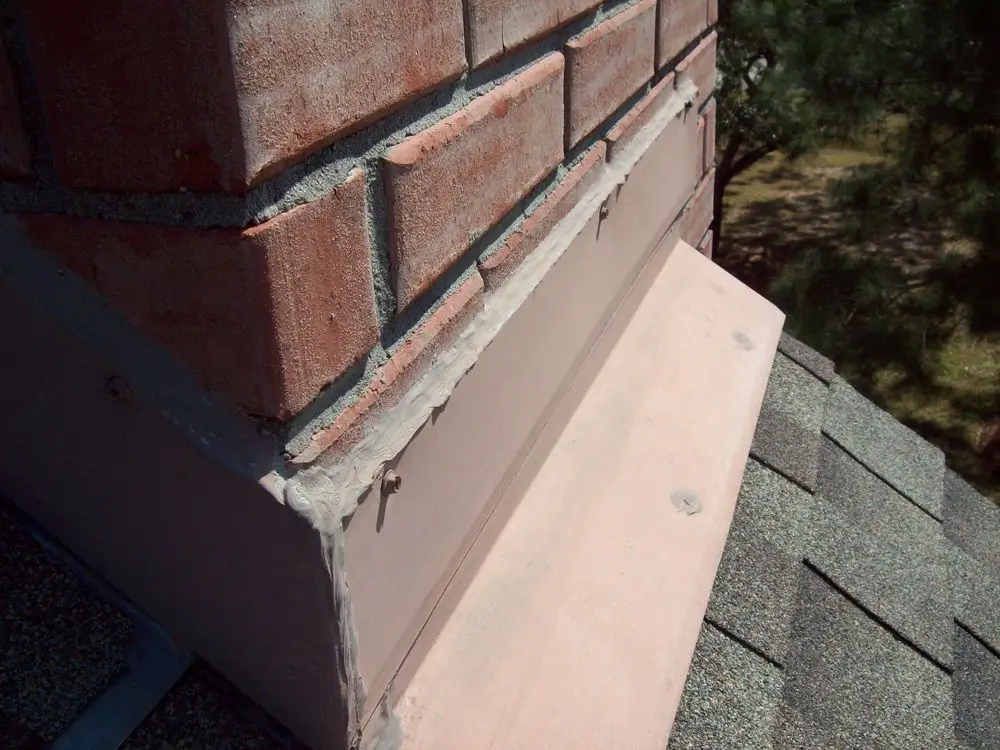
- Sealant failure. Most flashing details are partially sealed with roofing cement or a polymer sealant. Sealant has a 5-10 year life under southern sun; the metal underneath may outlive it, but the joint leaks once the sealant goes.
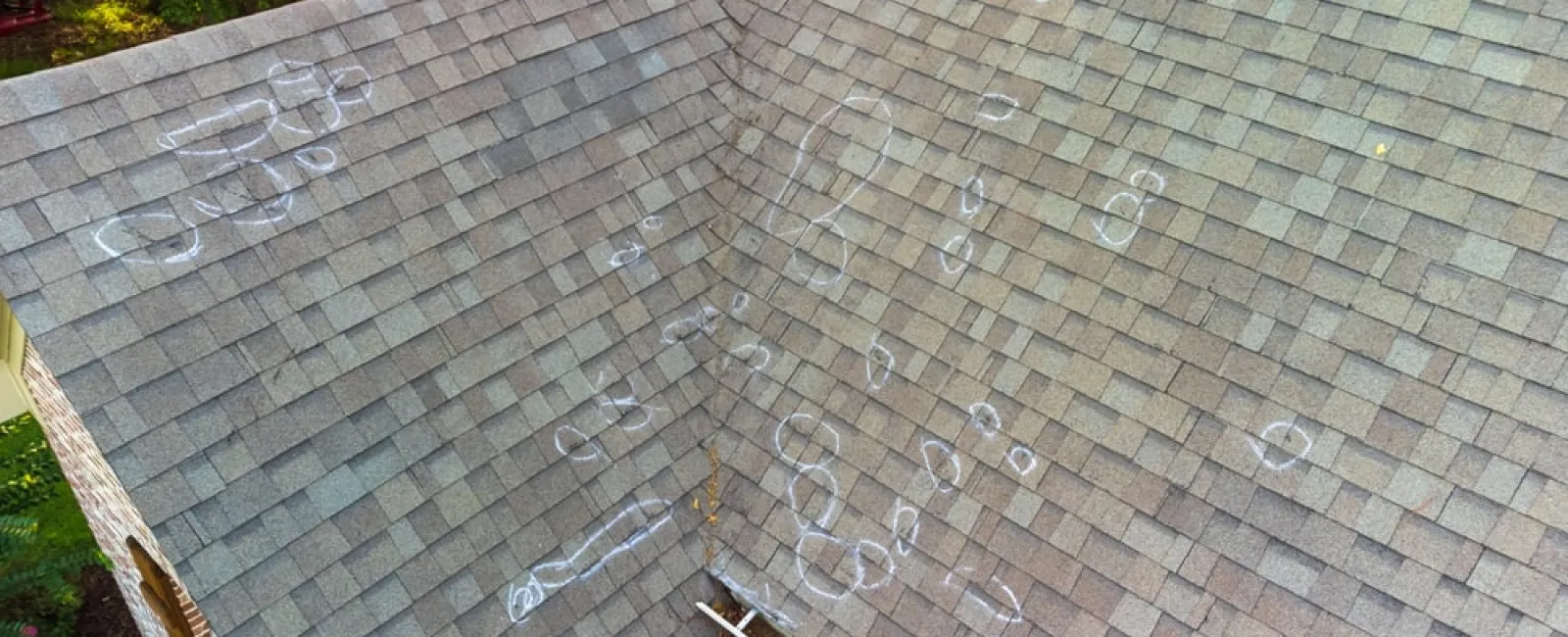
- Wind and hail damage. Hailstones dent aluminum flashing. High wind lifts edges and breaks the seal. Both are common in Kennesaw, Franklin, and Ft. Myers after storm seasons.
- Reused flashing on a new roof. The single biggest mistake we see on roofs installed by cut-rate contractors: leaving the old flashing in place when the new shingles go on. New shingles, old flashing — guaranteed leak within a few years.
- Improper installation. Flashing has to be sequenced correctly with the shingles and the underlayment. Skipping the step-flashing sequence at a wall and relying on sealant alone fails fast.
How to Tell if Your Flashing Is Failing
- Brown or dark stains on the ceiling near a chimney, wall, or skylight.
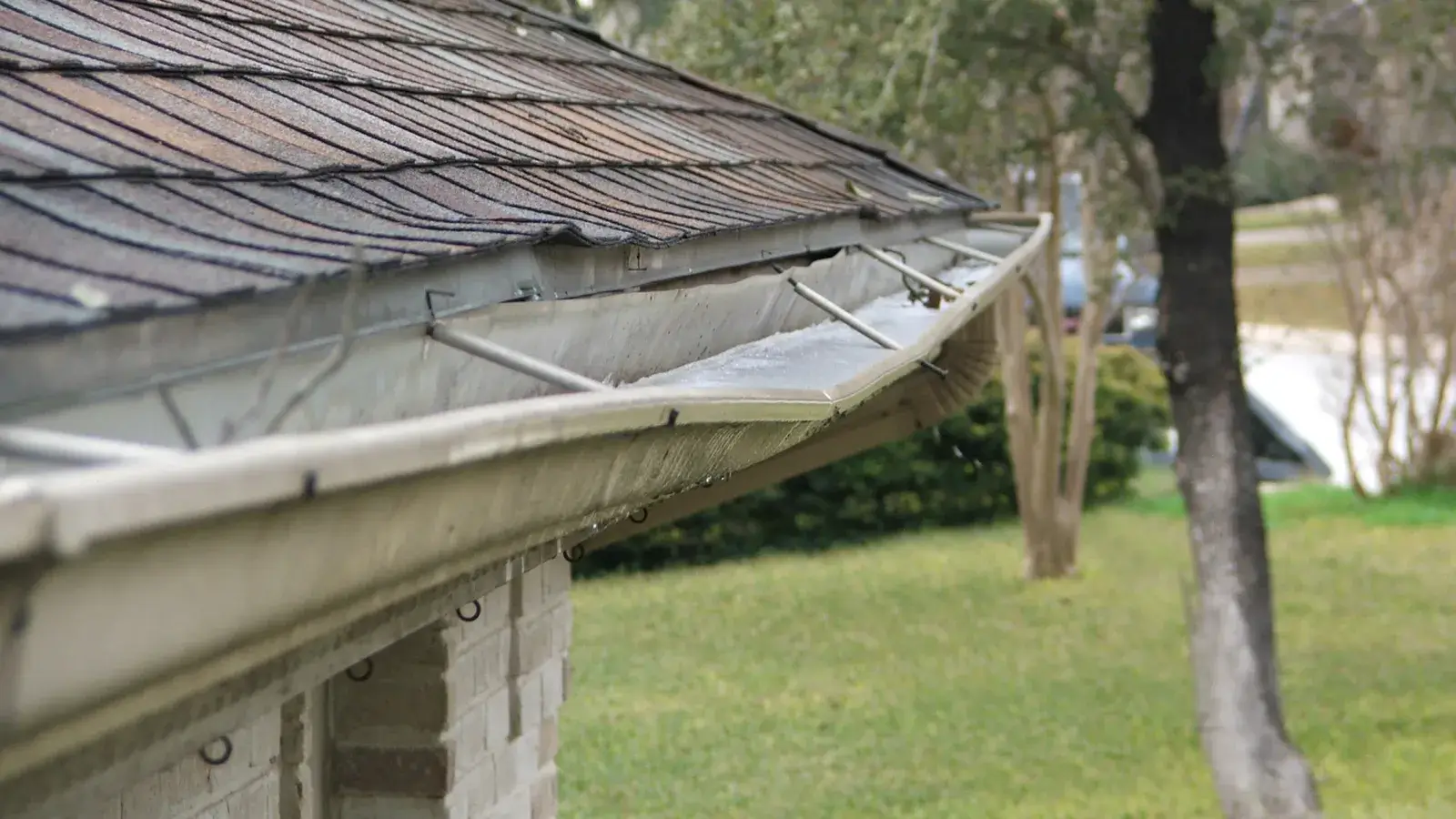
- Visible gaps, bent corners, or rust where you can see flashing from the ground.
- Pieces of metal in your gutters.
- Cracked or missing sealant at flashing edges (visible during a closer inspection).
- Water in the attic only during driving rain — driving rain pushes water sideways into flashing joints that vertical rain doesn’t.
Repair vs Replace
Replacing flashing during a full roof replacement is straightforward and is standard practice for any quality roofer. The decision is harder for an isolated flashing leak on an otherwise sound roof:
- Repair makes sense when: the rest of the roof has 5+ years of useful life, the flashing damage is localized (one chimney, one skylight), and the leak hasn’t damaged the deck.
- Replace the whole roof when: the shingles around the flashing are also at end of life, multiple flashing points are failing, or the deck is wet enough to need replacement anyway. Doing the flashing now and the roof in two years means paying for the flashing twice.

How Northpoint Handles Flashing
Every roof we install gets new flashing — no reuse, no exceptions. We use heavier-gauge aluminum (or copper, on request) and we sequence step flashing properly with the shingles. On chimneys, we cut new reglets and install fresh counter flashing into mortar joints rather than relying on caulk.
For repairs, our FAA Part 107-certified drone inspection documents the failing flashing in detail. You get a written report whether you hire us or not, and an itemized estimate for the repair.
Schedule a Free Flashing Inspection
If you’ve seen any of the warning signs above — ceiling stains, gutter metal, sealant cracks — schedule a free inspection. Kennesaw / North Atlanta: 678-345-1711. Franklin / Middle Tennessee: 615-205-5299.
Schedule your free inspection today and let us show you what a professional roofing process looks like from start to finish.