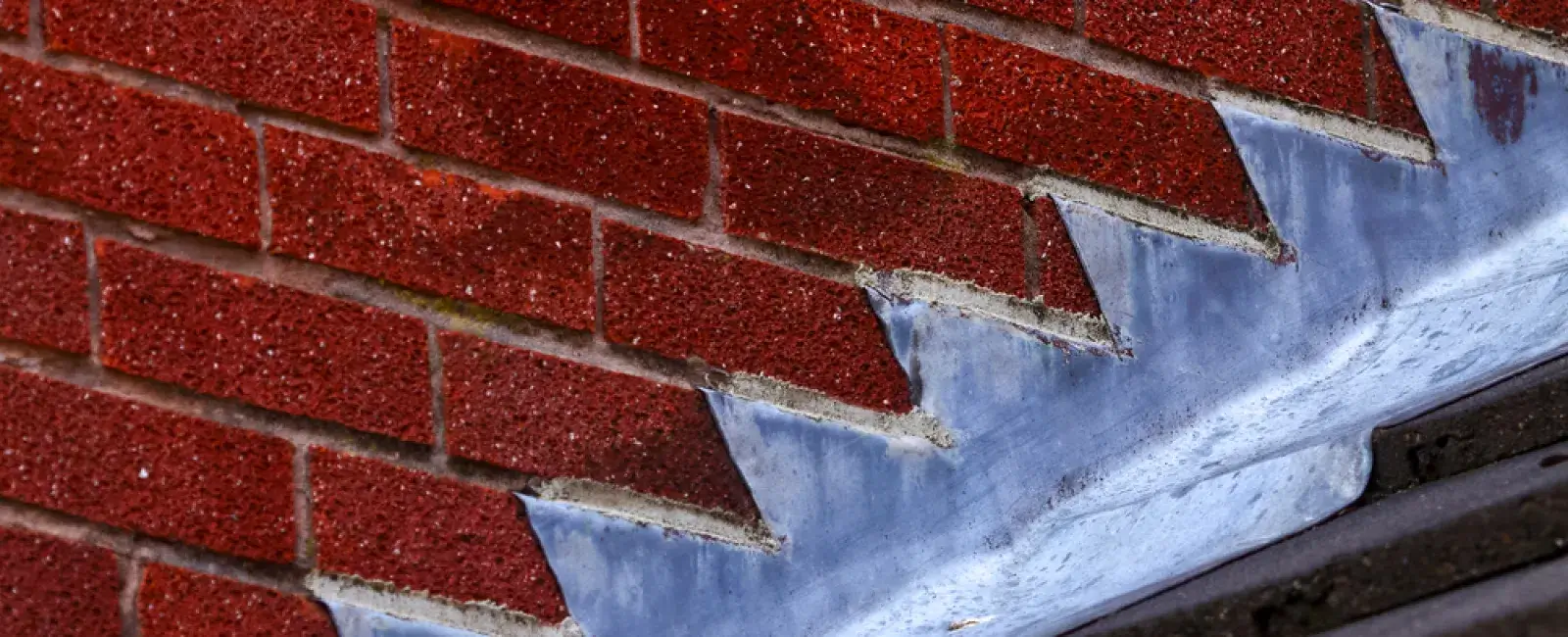
You’re starting to notice roofs in Atlanta showing subtle storm damage—lifted shingles, hidden granule loss, shifted flashing, and decking stress from fallen branches—that often hides until attic stains or leaks appear. Insurers and neighbors complicate quick fixes, and material choice matters more than you’d think. If you want to know what to watch for and how to act before small issues become full replacements, keep going.
Rising Incidence of Wind-Related Roof Damage in Atlanta Neighborhoods
As storms have become stronger and more frequent, Atlanta homeowners are seeing wind strip shingles, lift flashing, and expose underlayment across neighborhoods from Buckhead to East Point.
You need to inspect your roof after any severe gusts, since wind uplift can start at a single loose shingle and spread quickly. Don’t assume damage is obvious — look for curled edges, missing granules, and displaced vents.
In close-knit areas, neighborhood microbursts can damage several homes in minutes, so coordinate with neighbors to document issues and contact a licensed roofer promptly.
Acting fast limits water intrusion and prevents small problems from becoming costly repairs. Keep records, photos, and dates; insurers want timely evidence, and you’ll move claims along faster.
Hidden Effects of Hail on Asphalt Shingles
When hail pummels your roof, the damage often hides beneath intact shingles, so you mightn’t notice the problem until leaks or accelerated wear show up months later.
You’ll want to inspect for hidden granule loss along edges and in gutters, since granules protect shingles from UV and water.
Run your hand gently over shingles to feel for weak spots and look for subtle surface cracking that can widen with temperature changes.
Pay attention to scuffed areas where protective coatings are compromised.
Keep photos and date-stamped notes after storms so you can compare deterioration over time.
If you spot concentrated granule accumulations or fine cracks, consult a qualified roofer to evaluate warranty coverage and possible preventative repairs before the underlying decking degrades.
Storm-Driven Roof Leaks: Signs Homeowners Often Miss
Those subtle signs of hail damage—missing granules, scuffed coatings, tiny cracks—can quietly lead to leaks you won’t spot until water’s already inside your attic or walls.
You should check attic moisture after storms; damp insulation, dark stains, or a musty smell means water’s finding routes in.
Inspect ceiling paint for hairline streaks and bubbling; those often precede visible drops.
Look at roof penetrations: vents, chimneys, and especially flashing failure around skylights and chimneys are common leak origins.
Inside, follow water stains downhill from ridges and seams—water tracks farther than you expect.
Use a flashlight to scan attic rafters and sheathing for mold or rot.
If you see any of these signs, call a qualified roofer before hidden damage worsens.
How Fallen Trees and Debris Are Accelerating Replacement Needs
Falling trees and blown debris are forcing homeowners to replace roofs far sooner than expected, and you’ll often see the damage at a glance—split rafters, punctured shingles, and torn underlayment that compromise the roof’s entire waterproofing system.
You’ll notice that fallen branches strip protective layers, creating pathways for water that rot decking and warp trusses.
Debris accumulation in valleys and gutters traps moisture, speeds shingle deterioration, and hides stress points until leaks appear.
When you inspect after a storm, check for concentrated impacts and sagging areas that signal structural compromise.
Acting quickly stops collateral damage inside your home, but it also means you might’ve to accelerate replacement timelines to avoid repeated repairs and escalating costs.
Insurance Challenges After Severe Weather Events
Storm-struck homeowners often find themselves scrambling through a tangle of insurance paperwork just as damage is mounting, and that paperwork can make recovery slower and costlier than the storm itself.
You’ll need to document damage thoroughly, photograph every affected area, and file insurance claims quickly to meet deadlines.
Expect adjuster visits and pushback on estimates; staying organized helps you challenge low offers.
Read your policy for wind, hail, and flood distinctions so you don’t assume coverage where there’s none.
Pay close attention to policy exclusions and deductibles that can leave gaps in recovery.
If disputes arise, consider an independent adjuster or public adjuster and keep records of all correspondence to support appeals.
Choosing Durable Roofing Materials for Atlanta’s Climate
Because Atlanta’s climate swings from hot, humid summers to occasional severe storms, you should pick roofing materials that resist moisture, wind, and heat while needing minimal upkeep.
You’ll want options that balance longevity, weight, and cost: metal shingles offer excellent wind resistance, reflect heat to reduce attic temperature, and shed water quickly, cutting mold risk.
Synthetic slate mimics traditional slate’s look but weighs less and resists cracking, so it handles thermal cycling and hail better than natural stone.
Choose materials rated for high wind uplift, UV exposure, and humidity-driven deterioration, and verify warranty terms cover storm-related damage.
Finally, confirm installation follows local codes and manufacturer specs—proper fastening and underlayment matter as much as the product you pick.
Timing and Planning a Residential Roof Replacement in Atlanta
Planning a roof replacement in Atlanta usually means balancing seasonal weather, contractor availability, and permit timelines so you don’t get stuck mid-project when storms or heat roll through.
You should prioritize seasonal scheduling: plan spring or fall to avoid summer heat and late-winter storms, and check local storm forecasts before setting a start date.
Do contractor vetting early—verify licenses, insurance, references, and recent local work to confirm they handle Atlanta’s weather and permitting.
Coordinate with your municipality about permits and inspection windows so inspections don’t delay completion.
Prepare your home for workdays by clearing landscaping and securing outdoor items.
Communicate milestones and backup plans with your contractor to manage weather interruptions and finish on schedule.
Cost Factors and Financing Options for Roof Replacement
When budgeting for a roof replacement in Atlanta, you’ll want to weigh several cost drivers—roof size and pitch, material choice (asphalt, metal, slate), labor rates, tear-off versus overlay, and any structural repairs or permit fees—since each can change your estimate by thousands.
You’ll also factor in Material costs that vary widely: asphalt is cheapest, metal midrange, and slate or tile at the top.
Storm-related debris or hidden rot raises repair bills fast.
For financing, compare Loan options like home equity lines, personal loans, contractor financing, and manufacturer promotions; each has different rates, terms, and closing costs.
Get multiple quotes, check contractor warranties, and run numbers on monthly payments versus energy or insurance savings before you commit.
Frequently Asked Questions
Do Roof Vents and Attic Insulation Affect Storm Damage Risk?
Yes — roof vents and attic insulation affect storm damage risk.
You’ll reduce uplift and moisture problems when you maintain ventilation balance and proper insulation levels.
If vents’re blocked or insulation’s uneven, wind-driven water and pressure changes can worsen leaks and shingle damage.
You should make certain soffit, ridge, and gable vents work together and boost insulation levels to manufacturer guidelines so your roof handles storms more resiliently.
Can Nearby Construction Increase Hail or Debris Impact?
Yes — nearby construction can increase hail or debris impact.
You’ll see construction fallout from loose materials and disturbed soil, and heavy equipment can create debris amplification by sending more fragments into wind currents.
You should secure loose items, install impact-resistant roofing, and ask contractors to manage waste and dust.
Stay vigilant during storms, move vehicles away, and document any damage so you can claim repairs or demand better site controls.
Are Metal Roofs Noisier During Heavy Rainstorms?
Yes — metal roofs can be noisier during heavy rainstorms. You’ll notice different metal acoustics compared with shingles because sound transmits through metal more readily, creating stronger rain resonance.
Insulation, underlayment, and attic air space reduce noise, so you’ll want thicker underlayment, sound-dampening insulation, or acoustic panels if noise bothers you. Proper installation and roof pitch also minimize booming, rattling, and amplified rainfall sounds inside your home.
Do Solar Panels Change Roof Replacement Procedures After Storms?
Yes — they can. You’ll need to check solar warranties before any roof work, since removing panels or altering mounts can void coverage.
You’ll coordinate with your solar installer and roofer so roof-mounted inverters and racking get handled safely.
You’ll often remove panels, replace shingles or decking, then reinstall equipment and reseal penetrations.
Keep documentation and photos to protect warranty claims and insurance reimbursement after storm repairs.
Can Landscaping Choices Reduce Roof Damage From Wind?
Yes — thoughtful landscaping can reduce roof damage from wind.
You’ll use tree placement to keep large trunks and limbs away from the house, install windbreaks like rows of trees or fences to slow gusts, add shrub buffers under eaves to catch flying debris, and put root barriers to keep roots from undermining foundations that could shift roofing.
These steps lower risk and protect your roof during storms.
Conclusion
You’re seeing a new pattern: fast wind and hail are quietly wrecking roofs across Atlanta, so don’t wait. Inspect attics, check shingles and flashing after storms, document damage with photos, and coordinate with neighbors to strengthen claims. Remove debris quickly to curb decking rot, and talk to insurers early. Choose durable, climate-appropriate materials and plan replacements in advance—budgeting and financing options make timely roof work manageable and prevent costly interior repairs.