If you’re planning a flat roof replacement for your Atlanta business, you’ll want to weigh durability, cost, and how well each option handles ponding water and summer heat. Consider built-up or modified bitumen for tough, long-lasting protection, single-ply membranes for reflectivity and quick installs, or metal R-panels for fast retrofits with strong wind resistance. There are trade-offs in warranty, insulation, and downtime—so keep reading to figure out which fits your building and budget.
Assessing Flat Roof Damage and Replacement Needs for Atlanta Businesses
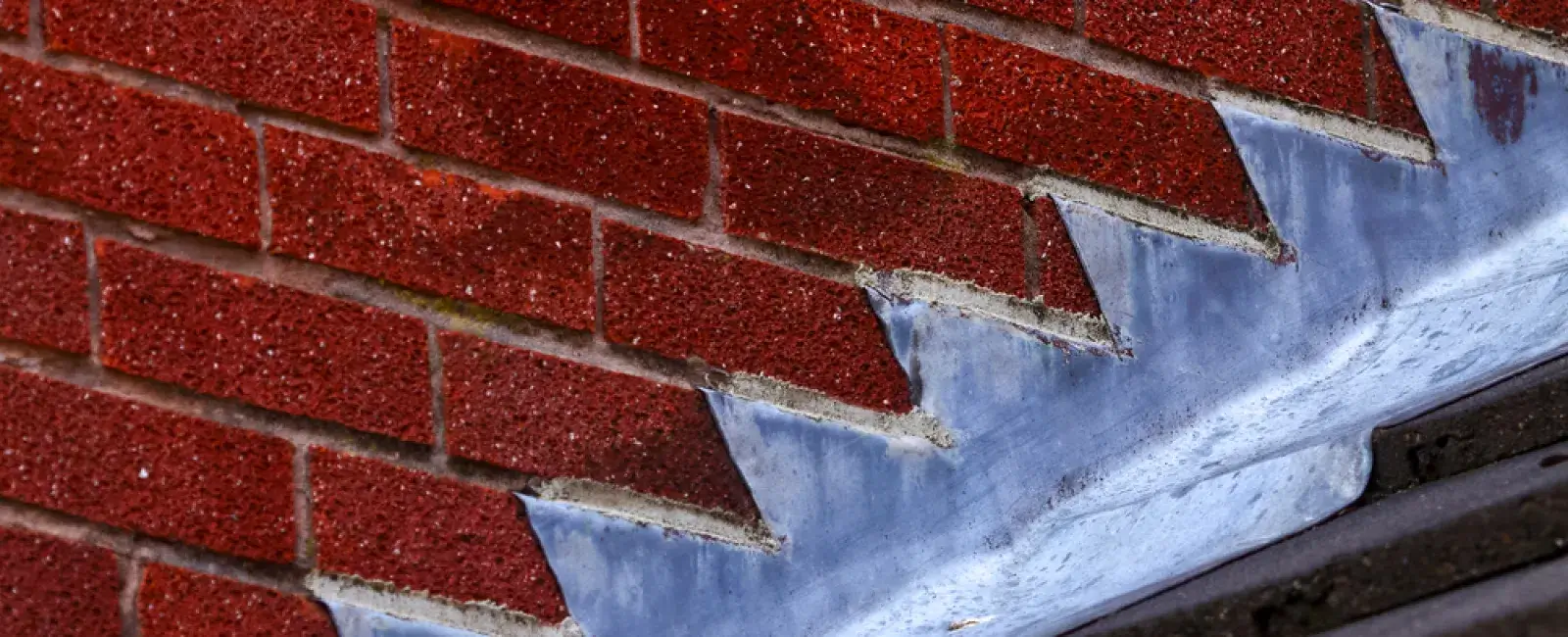
When you inspect a flat roof for replacement, start by looking for clear signs of wear—ponding water, membrane blisters, cracks, and seam separation—and note their locations and severity.
You’ll perform a systematic roof inspection, checking flashings, parapets, penetrations, and substrate condition.
Take photos, mark measurements, and log recurring leak points.
Don’t skip a drainage evaluation: confirm gutters, scuppers, and internal drains are unobstructed and sized for local storms.
Assess insulation wetness and vapor barriers to estimate thermal loss and drying needs.
Prioritize areas with structural rot or extensive membrane failure for full replacement; isolated damage might allow localized patching but only after verifying underlying deck integrity.
Use your findings to plan scope, schedule, and budget accurately.
Choosing Between Built-Up Roofing (BUR) and Modified Bitumen Systems
Although both built-up roofing (BUR) and modified bitumen systems protect flat commercial roofs, each offers different performance, installation, and maintenance trade-offs you should weigh.
BUR gives you proven durability with multiple felts and hot asphalt layers that resist foot traffic and ponding; installation is messier and needs skilled crews but repairs are straightforward.
Modified bitumen adds flexibility and quicker fixes; you can choose torch applied seams for strong welds or cold adhesive for safer, low-odor installs where fire risk or ventilation is a concern.
Consider lifespan, local climate, rooftop equipment access, and budget: BUR often lasts longer but costs more upfront, while modified bitumen balances cost, flexibility, and easier phased replacements when your business needs minimal disruption.
Single-Ply Membrane Options: TPO, PVC, and EPDM for Commercial Buildings
Take a close look at single-ply membranes—TPO, PVC, and EPDM—if you want a lightweight, cost-effective option for a commercial flat roof.
You’ll find TPO attractive for its balance of cost, reflectivity, and TPO longevity when properly installed and maintained.
PVC gives you strong chemical resistance and reliable PVC weldability, letting seams become virtually waterproof when hot-welded.
EPDM stands out for simplicity and proven performance, especially on low-slope surfaces, and it’s often easiest to repair.
Each membrane pairs with different attachment methods and insulation types, so consider wind ratings, roof traffic, and local climate.
Get competitive bids that specify membrane thickness, seam method, warranty terms, and expected maintenance to choose what fits your building.
Metal Retrofit and R-Panel Solutions for Low-Slope Commercial Roofs
If you’re weighing durable, low-maintenance options for a low-slope commercial roof, metal retrofit systems—particularly R-panel profiles—deliver a fast, cost-effective upgrade that often extends service life without full tear-off. You’ll appreciate how metal retrofit installs over existing substrate, reducing debris, labor, and downtime.
R panel systems offer straightforward attachment, strong wind resistance, and clear water-shedding paths on shallow slopes. When you choose panels, expect improved puncture resistance and simplified maintenance compared with some membrane systems.
Inspect deck condition first, since retrofit performance depends on a sound substrate and proper fastening patterns. Work with contractors familiar with local codes and flashing details to avoid leaks at penetrations and perimeters. Properly detailed, these solutions give reliable, long-lasting protection for commercial buildings.
Energy-Efficient and Cool Roof Upgrades for Atlanta Climate
Metal retrofit panels can improve durability, but you’ll also want to weigh upgrades that cut energy costs in Atlanta’s hot, humid climate.
You can choose reflective coatings to reduce heat gain, lowering cooling loads and improving comfort on upper floors. Those coatings are cost-effective on low-slope systems and work well with existing membranes if properly prepared.
You might also consider vegetative roofs where structural capacity allows; green roofs add insulation, retain stormwater, and extend membrane life while creating amenity space.
Pairing light-colored membranes or coatings with increased insulation delivers the best thermal performance for southern summers.
Coordinate with your roofing contractor to assess load limits, drainage, and maintenance needs so upgrades meet energy goals without compromising durability.
Budgeting, Warranties, and Timeline Considerations for Roof Replacement
When planning your flat roof replacement, set a realistic budget that accounts for materials, labor, permit fees, and contingency for unforeseen issues like deck repairs or upgraded insulation.
You should prioritize cost planning up front: get multiple bids, compare scopes, and ask contractors to itemize expenses so you can spot trade-offs and avoid surprises.
Factor in seasonal scheduling, which affects labor availability and pricing, and build a time buffer for inspections and weather delays.
For warranties, focus on Warranty negotiation—clarify coverage length, what’s excluded, transferability, and who handles future repairs.
Request written warranty terms and confirm contractor licensing and manufacturer backing.
With clear cost planning and firm warranty agreements, you’ll control expenses and protect your investment.
Frequently Asked Questions
Can Tenants Request Roof Upgrades During a Landlord’s Replacement Project?
Yes — you can request roof upgrades during a landlord’s replacement project. You’ll make tenant requests and enter upgrade negotiations to propose improvements, document desired changes, and offer cost-sharing or lease amendments.
Communicate promptly, provide specifications, and get any agreement in writing. Be prepared for the landlord to accept, counter, or decline; negotiated upgrades usually hinge on cost allocation, timing, and long-term maintenance responsibilities agreed between you.
Will Roof Replacement Disrupt Business Operations or Require Temporary Closure?
Yes — roof replacement can disrupt operations and sometimes requires brief closures, but you can minimize impact.
You’ll coordinate noise control measures and schedule noisy work off-hours so tenants and customers aren’t disturbed.
You’ll also develop access planning to keep entrances, deliveries and emergency routes clear, using temporary walkways or signage.
With good communication and phased work, you’ll maintain business continuity and limit closures to short, planned windows.
Are There Local Atlanta Permits or Inspections Required for Roof Replacement?
Yes — you’ll need building permits and often inspections for roof replacement in Atlanta.
If your property’s in a historic district, you’ll also face additional reviews and approvals to protect architectural character.
Coordinate with your contractor to pull permits, schedule required inspections, and submit any historic district applications early.
Doing this keeps your project compliant, avoids fines, and helps prevent delays or costly rework during the replacement.
Can Solar Panels Be Integrated With a New Flat Roof System?
Yes — you can integrate solar panels with a new flat roof.
You’ll choose solar ready membranes that simplify wiring and roof penetrations, and use integrated mounts designed for low-slope installations to secure panels without compromising waterproofing.
Work with your roofing contractor and a solar installer to confirm load capacity, flashing details, and warranty compatibility.
They’ll handle ballast vs. anchored options, permitting, and inspection coordination so your system’s durable and code-compliant.
How Often Should I Schedule Professional Roof Maintenance After Replacement?
You should schedule professional roof maintenance at least once a year with annual inspections, and add seasonal checkups—spring and fall—after replacement to catch storm damage or wear.
You’ll want inspectors to assess flashings, drains and membrane seams, and perform minor repairs before they grow.
If you’ve got heavy foot traffic, nearby trees, or severe weather exposure, you’ll want more frequent checkups to protect your warranty and extend roof life.
Conclusion
When replacing a flat roof in Atlanta, you’ll want to weigh deck condition, drainage, insulation, and long-term costs so you choose a system that handles ponding, heat, and storms. Consider BUR or modified bitumen for durability, single-ply for reflectivity and cost, metal R-panels for speed and wind resistance, or vegetative options if structure allows. Plan budgets, phased work, and warranty terms with your contractor to get the best performance and lifespan from your investment.