If you’re planning a roof replacement in Atlanta this year, you’ll want clear numbers and local context before you sign a contract. Costs vary a lot with size, materials, and neighborhood rules, and unexpected repairs can push your price much higher. I’ll walk you through typical price ranges, what drives them, and smart ways to save—so you can compare bids confidently and avoid common pitfalls.
Average Roof Replacement Prices in Atlanta for 2025
When you’re planning a roof replacement in Atlanta for 2025, expect costs to vary based on materials, roof size, and pitch; most homeowners will pay between $6,000 and $14,000 for a full asphalt shingle replacement, while premium materials like metal, slate, or tile can push prices considerably higher.
You’ll want to get multiple quotes and confirm warranties, since labor rates and disposal fees fluctuate. Check for city incentives that might offset upfront costs if you choose energy-efficient or storm-resistant materials.
Monitor insurance trends too — carriers are tightening coverage and offering discounts for impact-resistant roofs, which affects your net cost.
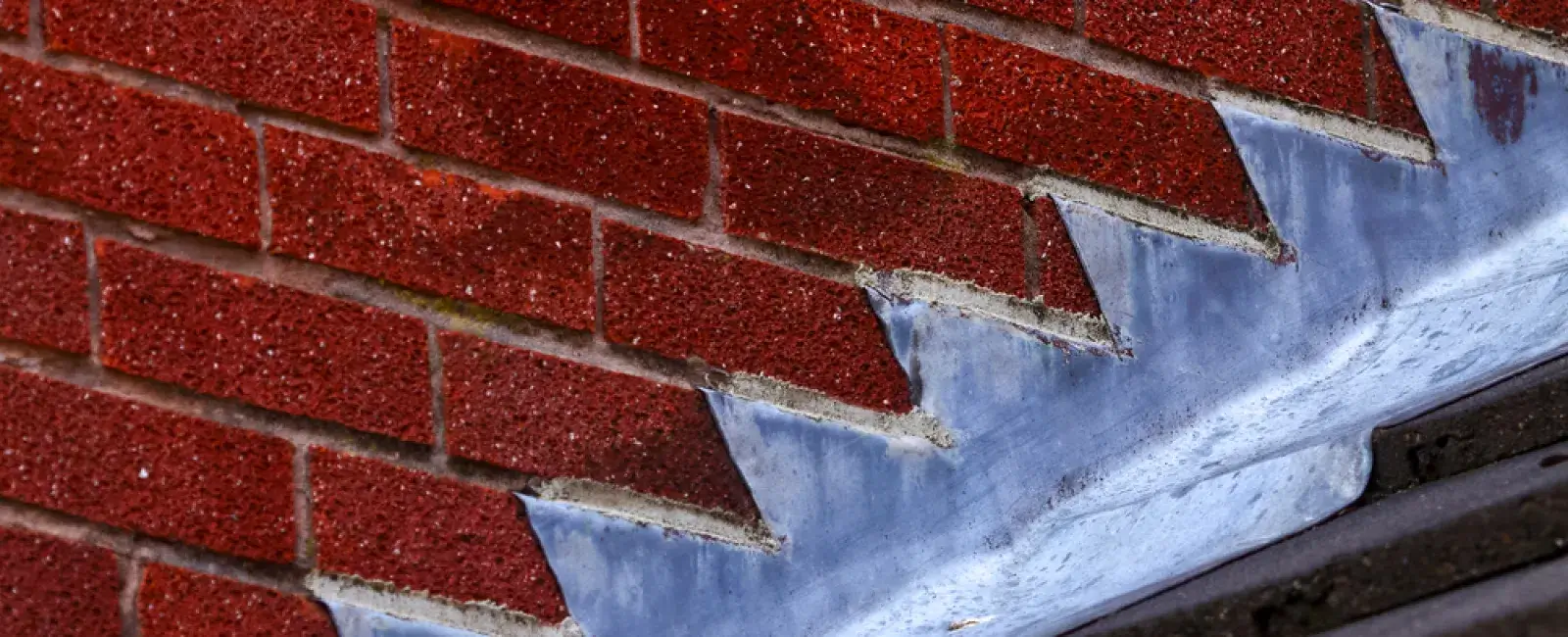
Budget for unexpected repairs once the crew inspects decking and flashing before finalizing the contract.
Cost Factors Specific to Atlanta Neighborhoods
Beyond material choices and warranties, where your home sits in Atlanta can change your roof replacement bill substantially.
If you live in Historic districts, preservation guidelines often require specific materials or colors, increasing costs and permitting time.
Neighborhoods governed by HOA rules may demand higher-end finishes, stricter contractor credentials, or staged inspections that raise labor expenses.
Homes in designated Flood zones might need elevated decking, specialized underlayment, or insurance-mandated upgrades to meet resilience standards.
And local Zoning changes can alter permit fees, required stormwater controls, or allowable roof pitches, affecting scope and price.
Before scheduling work, check local historic commissions, HOA covenants, floodplain maps, and recent zoning updates so you won’t face unexpected charges.
Material Options and Their Price Differences
If you want a roof that balances cost, durability, and curb appeal, your material choice will drive most of the final price — from inexpensive asphalt shingles to high-end metal, slate, or tile.
You’ll find Asphalt vs. Metal is a common tradeoff: asphalt costs less upfront and is easy to install, while metal lasts longer and resists storm damage but raises material cost.
For a middle ground, Synthetic Shingles vs. Cedar offers different benefits—synthetic mimics cedar’s look with lower maintenance and better fire resistance, while real cedar provides natural beauty and higher initial expense.
Consider lifecycle cost, warranty length, and local resale impact so you choose a material that fits your budget and long-term plans.
Labor Rates and Contractor Fees in Metro Atlanta
Material choices set much of your material budget, but labor and contractor fees often swing the final bill just as much — especially in Metro Atlanta where demand, crew availability, and permitting complexity vary by neighborhood.
You’ll find licensed rates typically higher in sought-after suburbs and in neighborhoods with older homes needing specialized skills. Ask for clear breakdowns: hourly vs. flat bids, what’s included, and how prevailing wage pressures affect totals.
Remember crew overhead — travel, insurance, equipment maintenance — gets folded into quotes, so compare line items, not just totals. You can negotiate phased work or subcontractor choices to manage costs, but insist on written scopes and verification of licenses to avoid costly disputes later.
Permit, Inspection, and Disposal Expenses
Because permits, inspections, and disposal add predictable but often underestimated costs, you should build them into your replacement budget from the start.
You’ll face permit fees that vary by project type and value; roof, electrical, and structural permits each follow different schedules, so check Atlanta’s fee tables early.
Inspections occur at set stages, and missed or failed inspections can delay work and raise labor costs, so schedule them proactively.
Disposal logistics affect dumpster size, haul frequency, and landfill or recycling fees—plan for hazardous-material handling if applicable.
Factor in permit processing time, inspection rechecks, and disposal permits for special items.
Typical Roof Sizes and Sample Cost Estimates
Now that you’ve accounted for permits, inspections, and disposal, it’s time to look at roof size and how it drives costs. You’ll estimate by square footage: a typical single story footprints house often ranges 1,200–2,000 sq ft of roof area; larger two-story homes double that.
Asphalt shingles cost less per square than metal or tile, so a 1,500 sq ft roof might run $6,000–$12,000, while a 3,000 sq ft roof could be $12,000–$30,000 depending on materials and complexity. Steeper pitches, valleys, and penetrations raise labor hours.
Don’t forget attic insulation removal or upgrade—adding or replacing insulation influences total project time and expense. Get three bids and check included warranties to compare apples to apples.
How Weather and Climate Affect Replacement Costs
When you’re planning a replacement, local weather patterns directly shape both the scope and cost: frequent storms, hail, heavy rain, freezing cycles, and prolonged heat all increase material needs, labor time, and the likelihood of upgraded flashing, underlayment, or ventilation.
You’ll see higher bids where climate driven degradation accelerates—UV exposure, moisture intrusion, and freeze-thaw damage shorten lifespans and push you toward tougher materials or more frequent maintenance cycles.
Contractors factor risk into estimates, adding contingencies for storm delays, emergency repairs, and insurance documentation.
You should also consider seasonal scheduling: avoiding peak storm seasons can cut labor premiums but might extend project timelines.
Ultimately, weather and microclimate realities change your choices and the total replacement price.
Ways to Lower Your Roof Replacement Expense
You can cut roof replacement costs by making strategic choices before work begins: compare multiple bids, schedule during off-peak seasons, and pick materials that balance upfront price with lifespan and maintenance needs.
Get a clear scope so bids match, and insist on itemized estimates to avoid surprises.
Consider recycled or architectural shingles that offer durability without premium pricing, and factor in energy efficiency—cool roofs or added insulation can lower utility bills and may qualify for rebates.
Ask contractors about warranty tiers and maintenance plans to prevent costly repairs.
Explore financing options with local lenders or contractor programs to spread costs without high interest.
Finally, bundle projects—gutters or siding—with roofing to leverage contractor discounts and reduce mobilization fees.
Frequently Asked Questions
Do Homeowners Insurance Policies Usually Cover Full Roof Replacements?
Usually you won’t get an automatic full roof replacement. You’ll need to check your policy limits and whether your insurer pays replacement cost or actual cash value; that affects payouts.
You should document damage promptly and expect inspections, because claim denials happen if you lack maintenance records or exceed coverage terms.
If limits are sufficient and you meet policy conditions, your insurer can cover full replacement after deductibles and approval of the claim.
How Long Does a New Roof Typically Last in Atlanta?
A new roof in Atlanta typically lasts about 20 to 30 years, depending on materials and maintenance.
You’ll see asphalt shingles toward the lower end, while metal or tile can reach the upper range.
Because the local climate brings heat, humidity, storms, and occasional hail, you’ll need regular inspections, ventilation checks, and prompt repairs to hit that lifespan.
Proper installation and care’ll extend performance and delay replacement.
Are There Financing or Loan Options for Paying Roof Replacements?
Yes — you’ve got options. You can use personal loans for quick funding, or tap into energy efficient mortgages if your new roof improves efficiency. You’ll also find home equity loans, HELOCs, contractor financing, and sometimes insurance claim advances.
Compare interest rates, terms, and fees, and get multiple quotes. Check eligibility, credit impact, and whether energy savings or tax credits help offset costs before you commit.
Can I Stay in My Home During the Roof Replacement?
Yes, you can often stay in your home during a roof replacement, but you’ll want to weigh noise, dust, and safety.
You’ll need temporary accommodation plans if loud or extensive work disrupts living areas.
Contractors should follow safety precautions like tarps, barriers, and secure ladders; ask about cleanup and work hours.
Keep pets and kids away from the site, and confirm insurance and emergency exits before work begins.
Do Roof Warranties Transfer if I Sell My House?
Yes — roof warranties can transfer when you sell, but it depends on the transferability terms and any warranty exceptions.
You’ll need to check the original paperwork, notify the manufacturer or contractor, and sometimes pay a transfer fee.
Some warranties only cover the original owner or require professional installation records.
Disclose the warranty status to the buyer and get written confirmation to avoid disputes and make certain the coverage actually moves with the sale.
Conclusion
In Atlanta, you’ll typically pay $6,000–$14,000 for an asphalt shingle roof, with metal, slate, or tile costing much more depending on size and complexity. Neighborhood rules, flood zones, and historic or HOA requirements can raise costs, though energy or storm-resistant upgrades may bring incentives or insurance savings. To lower expenses, get multiple bids, schedule during off-peak seasons, and repair decking promptly to avoid higher labor and disposal fees.