If you’re replacing a metal roof in Metro GA, you’ll want a local, licensed contractor who knows wind loads, code rules, and common deck issues. You’ll walk through removal, decking repair, underlayment choices, ventilation, and new panel details so the job lasts. There are cost, permit, and warranty decisions that matter — and a few regional quirks you’ll want to avoid before crews start.
Assessing Your Metal Roof’s Condition in Metro GA
Inspecting your metal roof regularly helps you catch small problems before they grow expensive. You’ll walk the perimeter, noting loose fasteners, lifted seams, and paint wear.
Check flashings, gutters, and penetrations after heavy storms — Metro GA weather can stress attachments and reveal weaknesses in storm rating performance.
Schedule a corrosion inspection at least annually, focusing on joints, underlayment edges, and areas where dissimilar metals meet.
Use a checklist: fastener tightness, sealant condition, panel alignment, and drainage paths. Photograph issues and mark locations for repair or monitoring.
If you find widespread pitting, creasing, or compromised coatings, consult a professional to determine whether spot repairs suffice or a full evaluation is needed before replacement planning.
Estimating Costs for Residential Metal Roof Replacement
When you’re budgeting for a residential metal roof replacement in Metro GA, start by breaking down the major cost components—materials, labor, disposal, permits, and any needed structural repairs—so you can see where your money will go and compare bids apples-to-apples.
Get at least three detailed estimates and ask contractors to itemize labor costs separately from materials and overhead.
Factor in disposal and permit fees specific to your county, plus any unforeseen deck repairs after tear-off.
Consider roof size, pitch, and access, which affect time and crew size.
Finally, explore financing options like home improvement loans, contractor payment plans, or energy-efficient incentives to spread costs while you pick a qualified installer with solid references.
Choosing the Right Metal Roofing Materials for Atlanta Homes
Which metal roofing will suit your Atlanta home best? You’ll weigh material types—standing seam, corrugated, or metal shingles—against performance needs and budget.
Prioritize corrosion resistance in Atlanta’s humid climate; galvanized steel with a quality coating or aluminum resists rust better than untreated options.
Think about thermal performance and noise reduction; thicker gauges and insulated underlayments improve comfort.
Choose factory-applied finishes that offer proven color longevity to avoid frequent repainting under strong sun and seasonal weather.
Also consider warranty terms, recyclability, and installation complexity—some profiles need specialized installers.
Get samples, check local suppliers’ track records, and match aesthetics to your neighborhood while ensuring the roofing system meets your long-term durability goals.
Understanding Local Building Codes and Permit Requirements
Before you schedule replacement, check Metro Atlanta’s building codes and permit rules so your project won’t hit costly delays or fines.
You’ll need to confirm permit timelines with your local jurisdiction; some cities process applications in days, others take weeks. Factor those timelines into your project schedule and avoid ordering materials or booking crews before permits are approved.
Review zoning setbacks and roof height limits to make certain your new system complies, especially if you add dormers or solar.
Inspect flashing, ventilation, and wind-resistance requirements specified by code, and prepare drawings or manufacturer specs for plan review.
Keep copies of approvals on site and follow inspection steps to prevent rework.
Contact the county building office early to clarify any unique local conditions.
Selecting a Qualified Roof Replacement Contractor in Metro GA
Because your roof protects your home and represents a big investment, you should vet contractors carefully: check licenses and insurance, verify local references and recent Metro GA jobs, confirm they follow Atlanta-area code and permitting practices, and get detailed written estimates that spell out materials, timelines, and warranty coverage.
When selecting a qualified roof replacement contractor in Metro GA, prioritize licensed contractors with specific metal-roof experience. Ask for customer references and call them to confirm workmanship, cleanup, adherence to schedule, and warranty fulfillment.
Request proof of liability and workers’ comp, and confirm the company’s physical office and local presence. Compare at least three bids, focusing on clear scopes and manufacturer-approved installation methods. Trust documented performance over low bids.
Preparing Your Property and Neighbors for Roof Replacement
When your metal roof replacement is scheduled, notify neighbors, secure your yard, and clear access paths so crews can work safely and efficiently.
Tell nearby homeowners about timelines and potential noise as part of neighbor notifications; provide contact info for the crew lead for questions.
Remove vehicles, toys, and garden furniture from work zones and mark fragile landscaping.
Arrange driveway staging with your contractor—reserve space for material delivery and dumpsters to avoid blocking neighbors.
Trim low branches and make certain gates open fully.
Cover HVAC units, grills, and parked cars with tarps if needed.
Walk the property with the foreman to confirm safety zones, identify fall-hazard locations, and agree on daily cleanup.
Document pre-existing damage with photos to prevent disputes.
Step-by-Step Removal of Old Metal Roofing and Underlayment
With your yard secured and access cleared, the crew will start stripping the old metal panels and underlayment in a systematic sequence to keep the job safe and efficient.
You’ll watch as panels are lifted from the ridge down, bundled, and staged for disposal while workers mark any salvageable pieces.
Next, the team focuses on fasteners extraction, removing screws and clips with power tools and hand tools to avoid decking damage.
Once fasteners are cleared, underlayment is peeled back in manageable strips, inspected for rot or mold, and discarded.
Any compromised decking is noted for repair.
You should expect debris nets, magnetic sweepers, and daily cleanups to prevent hazards.
Clear communication keeps the roof removal orderly and minimizes surprises.
Installing New Metal Panels, Flashing, and Ridge Systems
Start by laying the starter trim and aligning the first metal panel at the eave, ensuring your chalk lines and rake edges match the manufacturer’s tolerances.
Then fasten panels with the specified hidden fasteners or exposed screws per profile, keeping fastener spacing consistent and avoiding overdriving.
Stagger end laps and seal with approved butyl or neoprene closure strips to prevent infiltration.
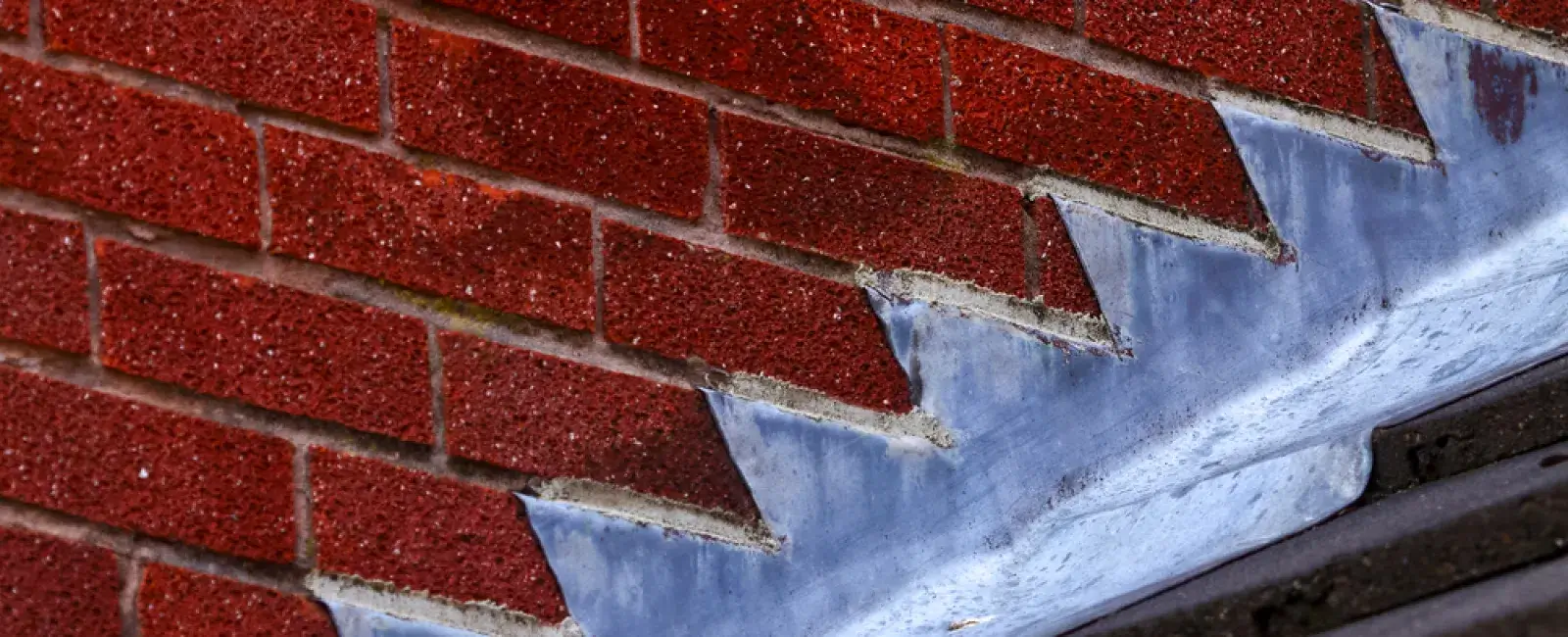
Install flashing at valleys, chimneys, and roof-to-wall shifts, trimming neatly and securing with compatible sealant and backer where required.
Fit ridge caps last, ensuring vents or closures are intact and caps overlap panels correctly.
Place snow guards per local code and roof slope to control drift.
Inspect all seams and fasteners, making tight, low-profile terminations for a durable finish.
Ensuring Proper Ventilation and Insulation During Replacement
Although metal panels shed water well, you still need to get ventilation and insulation right during replacement to avoid moisture, heat buildup, and wasted energy.
You’ll assess existing soffit intake and ridge ventilation to guarantee balanced airflow; intake without adequate ridge exhaust traps heat and moisture.
Remove any wet or compressed attic insulation and replace with proper attic insulation to meet local R-value recommendations, sealing gaps and penetrations first.
Install baffles to maintain a clear air channel from soffits to the ridge, and size vents to provide continuous airflow along the ridge line.
Use vapor barriers where appropriate and avoid blocking vents with insulation or trim.
Proper ventilation plus upgraded attic insulation protects roof panels, reduces cooling loads, and prevents mold and rot.
Post-Installation Inspection, Maintenance, and Warranty Tips
After the new panels and insulation are in place, inspect the roof and attic thoroughly so you catch installation issues before they become problems.
Walk perimeter and ridge lines, check fasteners, seams, and flashings for tightness and sealant gaps.
From inside, scan the attic for daylight, moisture stains, or warped decking.
Schedule seasonal checks—after winter and before storm season—to clear debris, tighten loose screws, and reseal penetrations.
Keep a dated photo log and maintenance receipts to simplify claims.
Know your manufacturer’s care requirements and register the warranty promptly; note its duration and exclusions so you understand post warranty responsibilities.
If you spot issues, contact the installer immediately for repairs under warranty rather than delaying and risking larger damage.
Frequently Asked Questions
Can I Stay in My House During Metal Roof Replacement?
Yes, you can usually stay in your house during metal roof replacement, but you might consider temporary relocation for loud phases or if safety’s a concern.
You’ll want contractors to use noise mitigation like quieter tools, scheduling, and barriers.
Plan for dust, vibration, and blocked access; secure pets and valuables.
Discuss timing, cleanup, and emergency exits with your crew so you’re comfortable and safe throughout the project.
Will New Metal Roofing Affect My Home Insurance Premiums?
Yes — new metal roofing can affect your home insurance premiums.
You’ll likely qualify for insurance discounts if the metal roof is impact- and fire-resistant, which insurers reward.
Premium changes depend on roof age, material, and local risk factors; some homeowners see lower rates, others see minimal change.
Notify your insurer, provide installation and material details, and shop quotes to make certain you capture available discounts and favorable premium changes.
Are Solar Panels Compatible With Metal Roofing Systems?
Yes — solar panels are compatible with metal roofing systems. You’ll find solar mounting options like clamp-based mounts and standing-seam brackets that preserve the roof’s integrity and boost panel compatibility.
You’ll want a structural inspection to confirm load capacity and spacing, and hire installers familiar with metal-specific attachments and sealants. With proper flashing and ventilation, you’ll get efficient, long-lasting solar performance without compromising the metal roof.
How Long Does a Permit Approval Typically Take in Metro GA?
You’ll usually see permit timelines of 1–3 weeks for simple roofing permits in Metro GA, though busy periods can stretch that to 4–6 weeks.
Inspection windows commonly span 24–72 hours after scheduling, but contractors often book inspections a week out.
You should check your local county for exact processing times and plan for possible delays during high volume seasons.
Keep permit paperwork complete to speed approval.
Can Metal Roofing Be Installed Over Existing Shingles Without Removal?
Yes — you can often install metal roofing over existing shingles, but you’ll need to upgrade underlayment and make certain proper ventilation.
You’ll also select fastener types suited for retrofit applications and confirm your roof’s structural capacity.
Local codes may restrict overlays, so check permits.
If shingles are damaged, remove them.
Doing this prevents moisture traps and extends longevity while keeping installation quicker and cleaner than a full tear-off.
Conclusion
You’ve taken smart steps toward replacing metal roofing in Metro GA: assess the roof, budget accurately, pick materials suited to Atlanta’s climate, follow local codes, and hire a licensed local contractor. During removal, have decking, underlayment, ventilation, and flashing inspected and upgraded as needed; install new panels per manufacturer specs, register warranties, and document the job. Schedule seasonal inspections and routine maintenance to protect your investment and extend your roof’s lifespan.