Your commercial roof is one of the hardest-working components of your building. It protects your inventory, your employees, and your entire operation from the elements — day after day, year after year. But without a plan for regular maintenance and a clear understanding of when repair is enough and when replacement is the right call, small problems have a way of becoming very expensive ones.
This guide covers everything commercial property owners in Georgia and Tennessee need to know: how to maintain your roof, what to expect during professional inspections, how to evaluate damage, and how to make the repair vs. replacement decision with confidence.
Why Routine Commercial Roof Maintenance Is Non-Negotiable
Commercial roofs — whether TPO, PVC, EPDM, modified bitumen, or metal — are complex systems with multiple components that all need to perform together. Drainage systems, flashing, seams, gutters, and membrane surfaces each have their own vulnerabilities. When one fails without being caught early, the damage rarely stays contained.
The most important thing a commercial property owner can do is establish a routine inspection schedule with a qualified roofing contractor — ideally twice a year, plus after any significant weather event.
Regular inspections do more than catch damage. They give you a running picture of your roof’s condition over time, which is invaluable when you eventually face the repair vs. replacement decision. A contractor who has inspected your roof every six months for three years can tell you with confidence whether a problem is isolated or a sign of deeper systemic deterioration.
Get Your Free Roofing Inspection – Call Now!
What Happens During a Professional Commercial Roof Inspection
When a Northpoint Roofing Systems professional visits your commercial property, the inspection covers more than a visual scan. Here is what the process typically includes:
Membrane assessment — evaluating the surface for tears, blistering, shrinkage, or UV degradation, particularly at seams and penetrations where failure commonly begins.
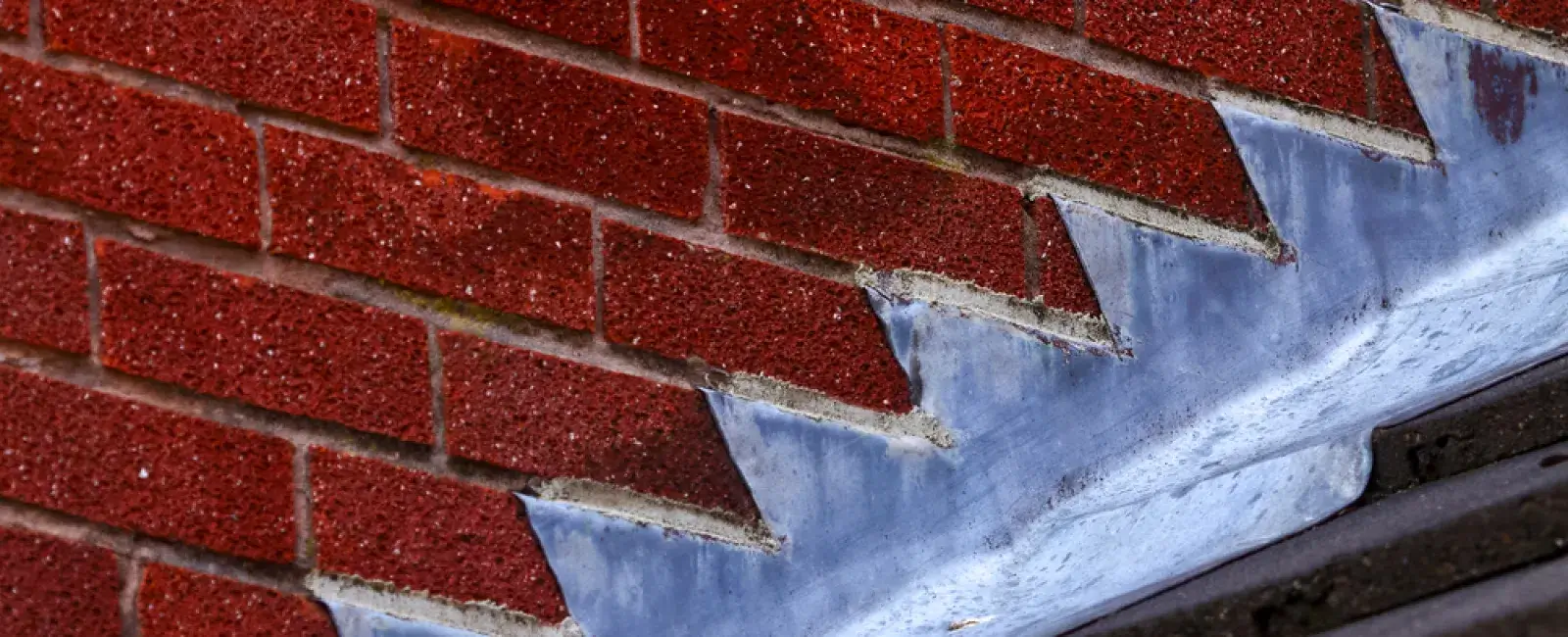
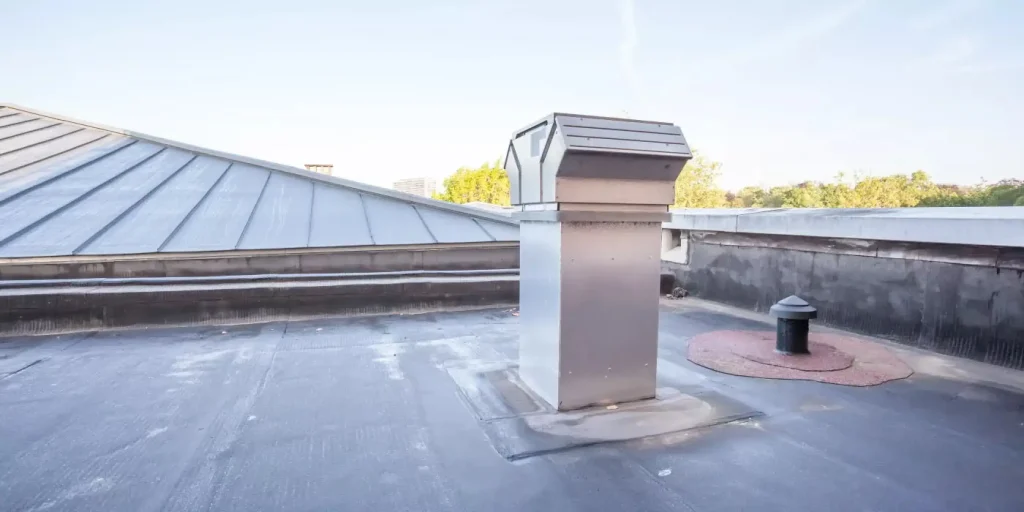
Flashing inspection — flashing around HVAC units, skylights, vents, and parapet walls is one of the most common sources of commercial roof leaks. Loose or cracked flashing is often a quick repair that prevents significant water intrusion.
Drainage and gutter evaluation — standing water is a flat roof’s biggest enemy. The inspector will identify areas where water is pooling, check that drains and gutters are clear, and flag any slope issues that are causing water retention.
Debris removal — leaves, branches, and other debris trap moisture and accelerate membrane deterioration. Clearing the surface is a standard part of every inspection.
Interior indicators — visible ceiling stains, mold, or signs of moisture inside the building are often discussed during the inspection as indicators of where roof performance may be failing.
After the inspection, you will receive a clear picture of your roof’s current condition and a prioritized list of any recommended repairs or maintenance items
What Preventative Maintenance Actually Involves
CPreventative maintenance is the work done to address minor issues before they grow into costly repairs or premature replacement. After an inspection, your contractor may recommend some combination of the following:
- Seam repairs to re-bond separating membrane edges
- Flashing repairs or re-sealing around penetrations and parapet walls
- Standing water resolution — re-sloping, adding drains, or clearing blockages
- Gutter repair or cleaning
- Sheet repairs or partial membrane replacements on isolated damaged sections
- General roof surface cleaning to remove moss, algae, or debris buildup
The specific maintenance performed will vary based on your roof’s age, material type, and current condition. The goal is always the same: extend the roof’s functional lifespan and protect the building’s interior from water intrusion, energy loss, and structural damage.
The cost of routine preventative maintenance is consistently lower than the cost of the repairs that become necessary when maintenance is deferred. And both are significantly less than a full roof replacement driven by neglect.
The Repair vs. Replacement Decision
At some point, every commercial property owner faces this question. Repairs are the right answer far more often than replacement — but not always. Here is how to think through it clearly.
When Repair Makes Sense
Repair is the right call when damage is isolated, contained, and caught early. A single area of membrane damage, a section of failed flashing, or a drainage issue that has not yet compromised the insulation or decking beneath — these are all situations where a targeted repair is both cost-effective and sufficient.
A well-executed repair on an otherwise healthy roof can extend its lifespan meaningfully. The surrounding membrane remains intact, the insulation continues to perform, and the overall system stays functional.
When Replacement Is the Better Investment
There are four situations where replacement typically makes more financial sense than continuing to repair:
- Age
- A quality commercial roof installation using durable materials will last roughly 25 to 35 years. Once your roof is approaching or past that window, repairs become increasingly expensive relative to the value of the remaining roof life. At that point, a full replacement resets the clock and is often the smarter long-term investment.
- Escalating energy costs.
- As a commercial roof ages or sustains ongoing damage, its insulating performance degrades — often gradually, which makes it easy to overlook. If your heating and cooling costs have been climbing without a clear explanation, your roof’s performance may be the cause. Replacement with new insulation and properly functioning drainage can produce meaningful reductions in monthly energy bills.
- Cumulative damage exceeding roof value.
- When the cost of addressing multiple existing damage areas approaches or exceeds the value of the remaining roof, replacement is the financially sound choice. A professional inspection can give you a clear estimate of repair costs vs. replacement costs so you can make that comparison directly.
- Repeat repairs in the same area.
- If the same areas of the roof keep requiring attention, the underlying issue is likely systemic rather than isolated. Continuing to patch over a fundamentally compromised section is rarely a long-term solution.
- The Investment Case for Replacement
- Beyond solving an immediate problem, a full commercial roof replacement delivers real upside. New materials and insulation restore optimal energy performance. The roof’s lifespan clock resets, giving you 25 to 35 years before the next major decision. And for commercial property owners considering the eventual sale of the building, a recently replaced roof is a measurable boost to property value.
A Simple Framework for Making the Decision
If you are unsure where your roof falls, these questions can help clarify the path forward:
- Is the roof under 20 years old with isolated, contained damage? Lean toward repair.
- Are energy bills rising without another clear explanation? Inspect for roof performance issues — may indicate replacement.
- Has the roof been repaired multiple times in the same area? Evaluate for systemic failure — may indicate replacement.
- Is the roof 25+ years old? Replacement is likely the better long-term investment.
- Does the total cost of needed repairs approach 50% or more of replacement cost? Replacement typically wins on value.
A qualified commercial roofing contractor can work through these questions with you after a thorough inspection and give you a clear, honest recommendation.
Northpoint Roofing Systems: Commercial Roofing Across Georgia and Tennessee
Northpoint Roofing Systems provides customized commercial roof inspections, maintenance, repairs, and full replacements for property owners across Kennesaw, GA, Franklin, TN, and the surrounding areas. Our team uses drone inspection technology and AI-powered damage detection software — the same tools trusted by major insurance companies — to give you an accurate, unbiased picture of your roof’s condition.
We work around your building’s operating schedule to minimize disruptions, and our customer solutions team is available to walk you through every option before any work begins.
Schedule your free commercial roof inspection today. Call 678-345-1711 or contact us online to get started.