Whether you own a home or a commercial property, hiring the wrong roofing contractor is an expensive mistake. The problem is that most roofing companies look the same on the surface — a website, a phone number, and a promise to do great work. The right questions cut through that quickly and separate the professionals from the risks.
Here are the essential questions every homeowner and commercial property owner should ask before signing anything.!
Are you a licensed roofing contractor in this state?
This is non-negotiable for both residential and commercial projects. A licensed contractor has met your state’s requirements for training, testing, and accountability. An unlicensed one has not.
For homeowners, working with an unlicensed contractor can void your homeowner’s insurance and leave you with a roof that fails code inspection. For commercial property owners, the stakes are even higher — an out-of-code installation can trigger fines, delay occupancy, and create liability exposure for your business.
Always ask to see the license number and verify it through your state’s contractor licensing board.
Do you carry liability insurance and workers’ compensation?
A yes on licensing means nothing without proper insurance. Ask for proof of both:
- General liability insurance covers damage to your property if something goes wrong during the job. Without it, you are the one filing a claim.
- Workers’ compensation covers the crew if someone is injured on your roof. Without it, that injury can become your legal and financial problem.
For commercial projects, also ask about the coverage limits. A residential policy may not provide adequate coverage for a large commercial job. Request a certificate of insurance naming your property and verify it directly with the insurer.
What warranties do you offer — and what exactly do they cover?
There are two warranties in roofing and you need to understand both.
The manufacturer’s warranty covers the materials themselves — shingles, membrane, underlayment. This warranty is only valid if the materials are installed by a certified contractor following the manufacturer’s specifications. Ask whether the contractor is certified by the brands they install.
The workmanship warranty covers the quality of the installation. This is the contractor’s own guarantee that the work was done correctly. Length and terms vary significantly — a reputable contractor will provide this in writing without hesitation.
For commercial property owners, also ask about maintenance requirements. Many commercial roofing warranties require documented bi-annual inspections to remain valid.
Do you use subcontractors, and if so, who are they?
Some roofing companies complete all work with their own employees. Others use subcontractors for part or all of the job. Neither is automatically a problem, but you have a right to know who will be on your property.
If subcontractors are used, ask whether they carry their own insurance and whether the primary contractor has verified their credentials. Ask to see examples of the subcontractors’ past work if possible.
For commercial projects, this question matters even more. Larger jobs often involve multiple crews, and accountability can get unclear quickly if the primary contractor is not directly supervising all of them.
Do you have experience with this type of roof?
Residential roofing and commercial roofing are not the same trade. The materials, systems, and installation methods are fundamentally different.
- Residential homeowners should ask whether the contractor has specific experience with the material being installed — whether that is architectural shingles, metal roofing, slate, or solar shingles. Ask to see photos of comparable completed projects.
- Commercial property owners should ask about experience with your specific roofing system — TPO, EPDM, modified bitumen, built-up roofing, or metal. A contractor who primarily does residential work is not the right choice for a flat commercial roof. Ask how many commercial jobs of similar scope they have completed in the past 12 months.
Can you work directly with my insurance company?
If your roof was damaged by a storm, hail, or wind, this question is critical. Navigating an insurance claim is a process — and a contractor who has done it dozens of times is a significant advantage over one who leaves you to figure it out alone.
A contractor experienced in insurance claims can help document the damage accurately, communicate the scope of work in the language adjusters expect, and reduce the back-and-forth that slows claims down.
Commercial property owners should ask specifically whether the contractor has experience with commercial claims, which are handled differently than residential ones and often involve a more detailed scope of loss document.
What safety measures do you have in place?
This question applies to every project, but it carries particular weight for commercial jobs where crew size is larger and OSHA compliance is non-negotiable.
A professional contractor should be able to clearly explain their fall protection protocols, how they secure the work area, and how they handle rooftop equipment or other hazards. Hesitation or a vague answer is a red flag.
For commercial property owners, also ask how the contractor will protect your tenants, customers, or employees during the project — including noise, debris management, and access to the building.
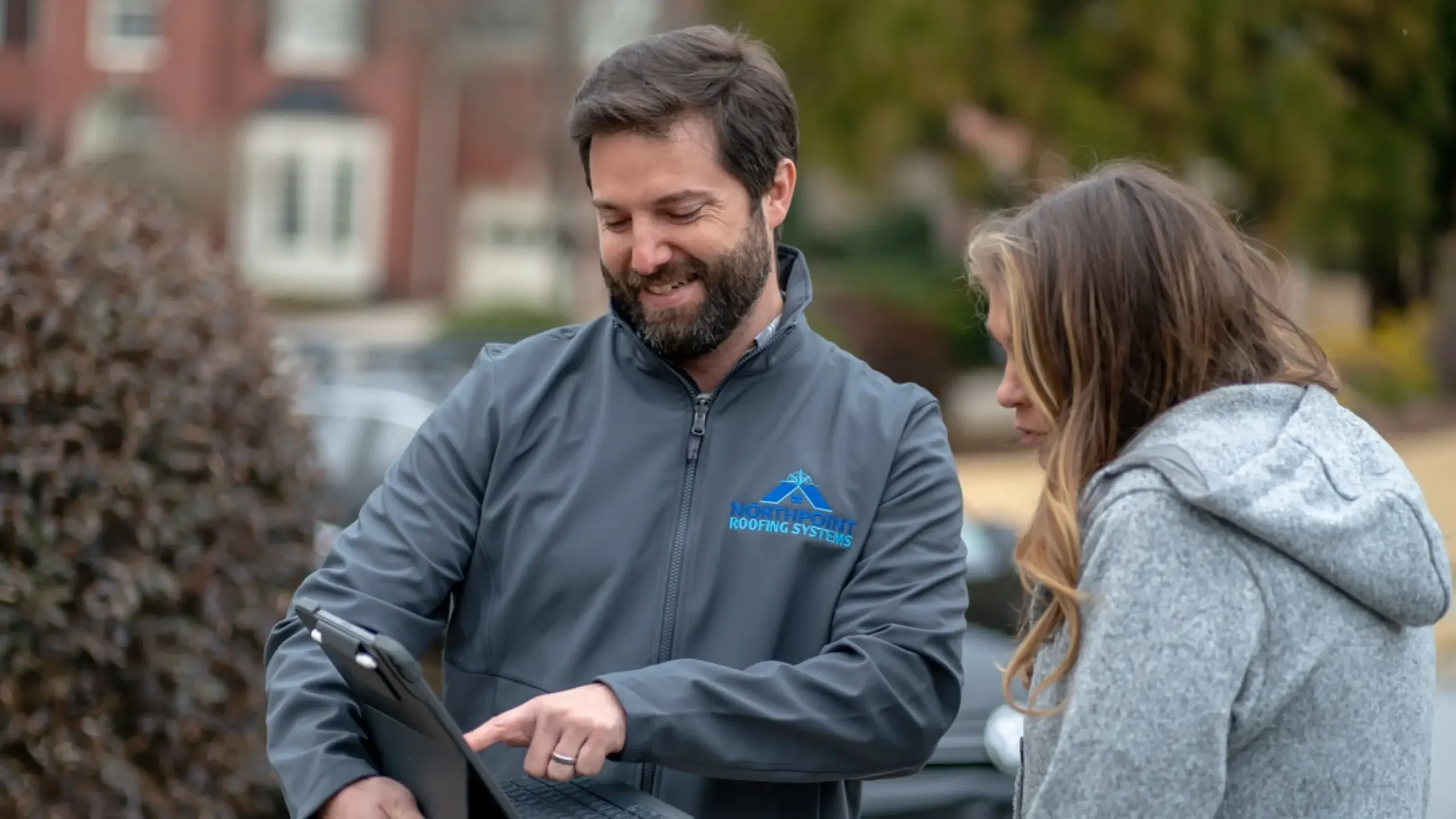
Will I receive a written estimate — and what does it include?
Never accept a verbal quote. A written estimate protects you by establishing the scope of work, materials, timeline, and cost before anyone picks up a nail gun.
A thorough written estimate should include:
- The specific materials being used (brand, product line, weight, color)
- The full scope of work — removal of old materials, decking inspection, flashing replacement, cleanup
- Project timeline with start and estimated completion dates
- Payment schedule and total cost
- What is and is not included
Commercial property owners should also request a breakdown of labor versus materials, and confirm whether the estimate accounts for any required permits, engineering documentation, or inspections required by local code.
What does your inspection and documentation process look like?
This question separates contractors who show their work from those who ask you to take their word for it.
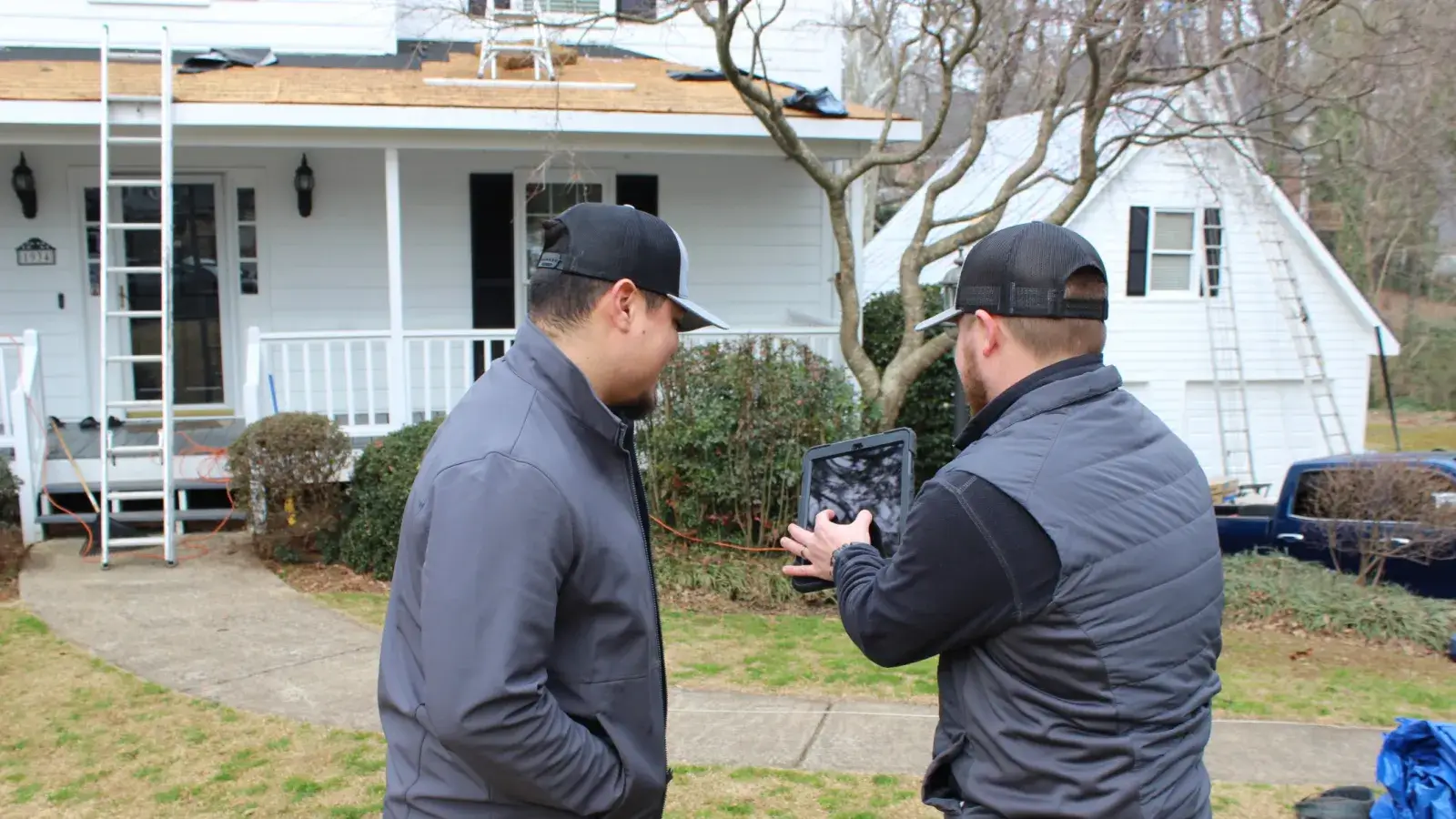
Before any work begins, a professional contractor should be able to document the existing condition of your roof — photographs, written findings, and for many commercial projects, drone imagery or AI-assisted damage assessment. This documentation protects you if a dispute arises and creates a baseline record for future maintenance.
After the job is complete, ask what documentation you will receive. At minimum this should include photos of the finished installation and any warranty paperwork.
Why Northpoint Roofing Systems
At Northpoint Roofing Systems, we answer every one of these questions before you ask. We are fully licensed and insured, certified by leading manufacturers, and experienced across both residential and commercial roofing systems. Our inspection process uses drone technology and AI imaging to document your roof’s condition accurately — and we walk you through every finding in plain language.
Whether you are a homeowner dealing with storm damage or a facility manager planning your next capital project, we work around your schedule and make the process as straightforward as possible.
Schedule your free inspection today or call us to speak with a member of our team.