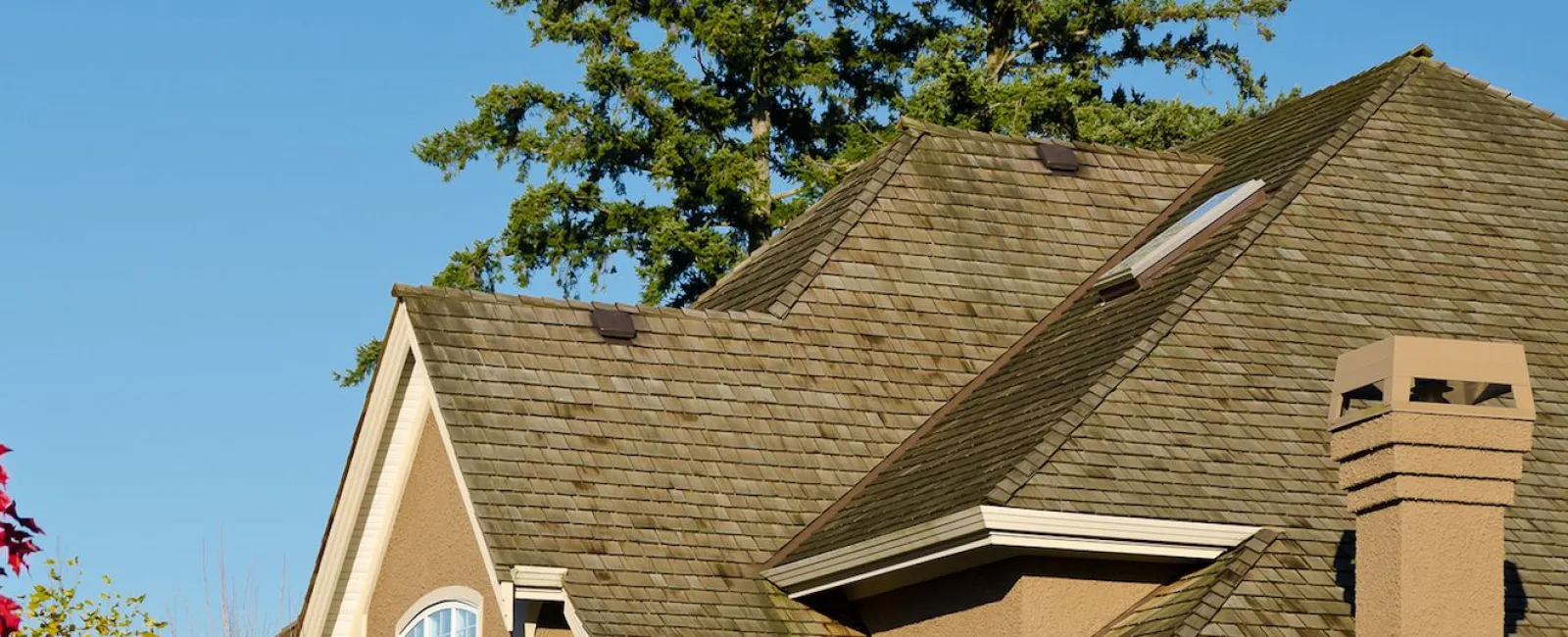
Across Middle Tennessee and North Georgia, big shade trees are one of the best parts of owning a home. They cool your house, block UV rays, and look beautiful. But those same trees can quietly damage your roof. So how close is too close? Experts suggest keeping branches about 10 feet from your roof. Here’s why that distance matters — and what tree branches can do to your roof.
When Trees Fall in a StormTrees and Your Roof
The biggest risk is a tree or large limb falling on your home. This happens most in storms, when heavy rain soaks the ground and strong winds do the rest. A falling limb can crush shingles, puncture the roof, or worse. Our spring and summer storms — and the occasional ice storm — make this a real danger here. Trimming trees before storm season is one of the best ways to protect your home.
The Slow Damage You Don’t Notice
Even without a storm, branches too close to your roof cause slow, steady wear. Trees constantly drop twigs, leaves, nuts, and cones. Branches that rub the roof wear down shingles over time. And in our humid climate, all that debris traps moisture, which leads to rot.
Clogged Gutters and Rot
Falling leaves and debris also clog your gutters. Once clogged, water can’t drain. It backs up, sits against the roof, and forms a damp layer that invites rot and mold. Keeping branches trimmed back means less debris in your gutters and less risk of water damage.
Keep Branches About 10 Feet Away
Falling leaves and debris also clog your gutters. Once clogged, water can’t drain. It backs up, sits against the roof, and forms a damp layer that invites rot and mold. Keeping branches trimmed back means less debris in your gutters and less risk of water damage.
Noticed Roof Damage? Get a Free Inspection
If a branch has hit your roof, or you’re seeing wear from nearby trees, don’t wait. We serve Franklin, Kennesaw, and the nearby areas with free drone inspections.
Schedule your free inspection or call 678-345-1711 today.