Full Roof Replacements: Insurance vs. Financing in Franklin, TN & Kennesaw, GA
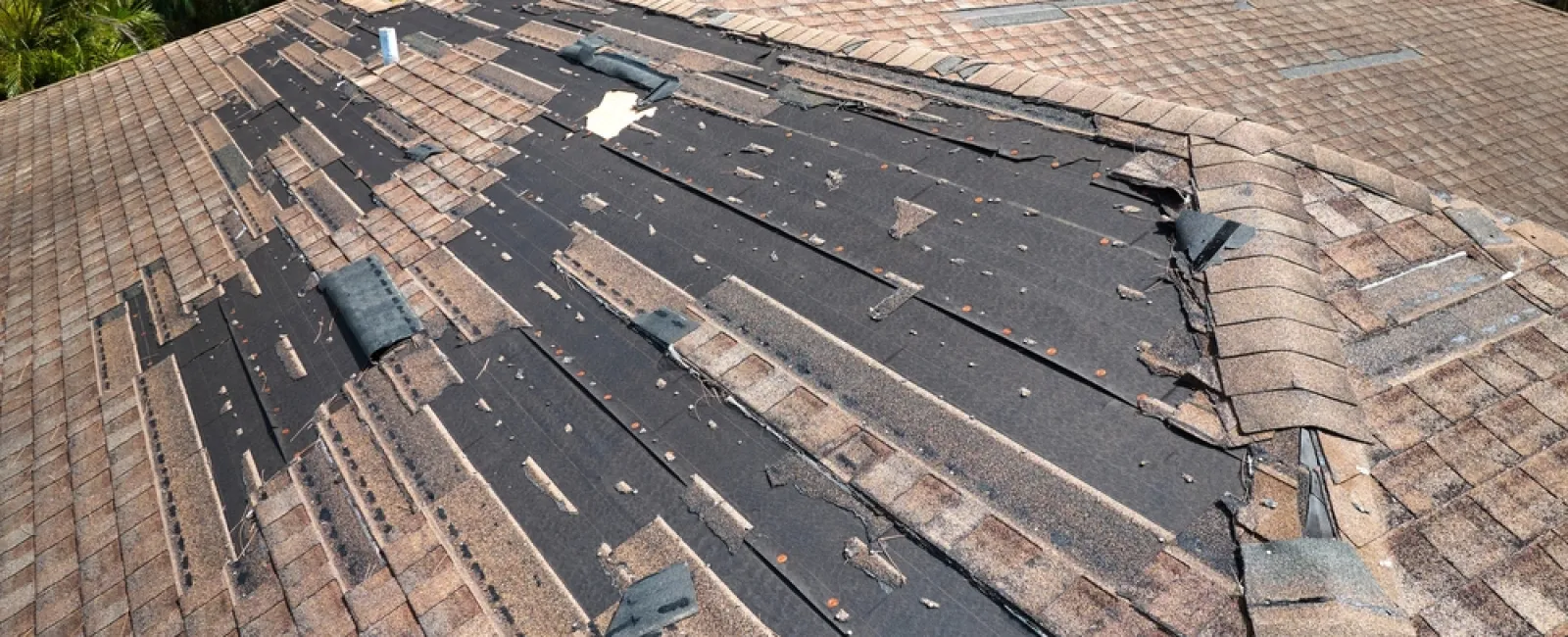
Most roofs need replacing for one of two reasons. The roof gets old, or a storm damages it. Either way, you have to figure out how to pay for it.
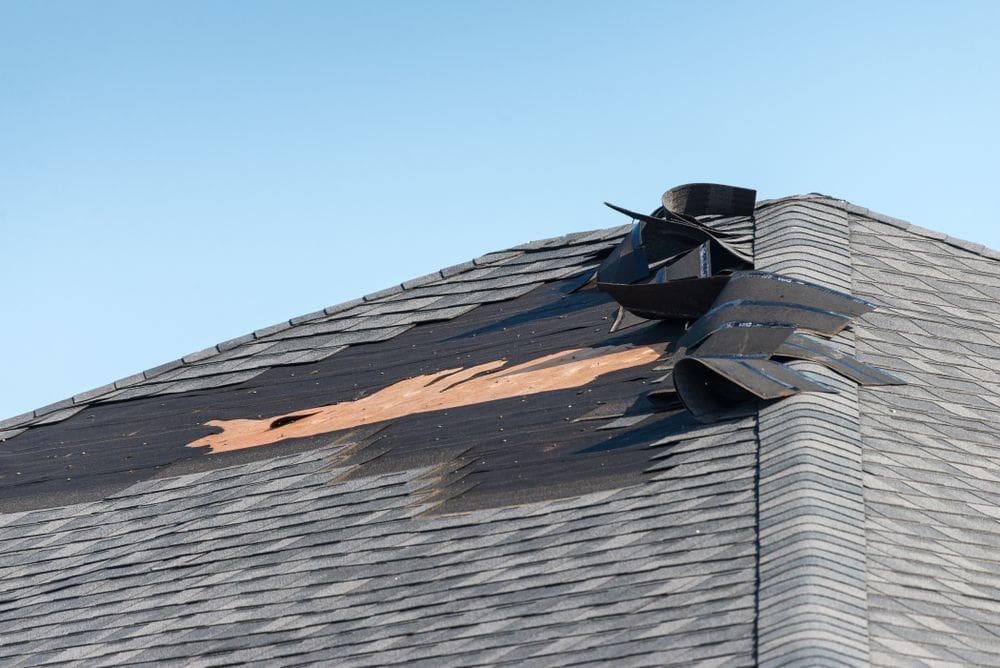
If a storm caused the damage, your homeowners insurance will likely cover it. This includes damage from high winds, hail, snow, and tornadoes. But insurance does not cover every case. If the damage came from age or normal wear, you may need to pay yourself. Financing is a good option here.
Did your roof get damaged? Call a roofing contractor first. They can find out what caused the damage. They can also tell you if insurance will cover it. Here is what you need to know about both options.
Schedule Your Free Roofing Inspection Today!
Understanding Your Insurance Policy
Start by learning what your policy covers.
Coverage Type
There are eight types of homeowners insurance. The HO-3 policy is the most common. The HO-1 is the most basic. The HO-5 covers the most.
Some policies are “open perils.” This means they cover all damage unless the policy lists it as an exception. Others are “named perils.” These cover only the events the policy names. Most HO-3 policies are open perils.
What Is a Peril?
A peril is just an event your insurance covers. Common ones include fire, lightning, theft, and wind or hail damage. When you file a claim, your insurer pays for the damage. You pay your deductible first.
Exclusions
An exclusion is damage your policy does not cover. Read your policy so you know what is left out. For example, most policies do not cover normal upkeep. They also do not cover a roof that is simply old and worn out.
Deductibles
A deductible is the amount you pay before insurance pays the rest. A higher deductible lowers your monthly premium. But it means you pay more when you file a claim.
Insurance vs. Financing
You have two ways to pay for a new roof. You can file an insurance claim. Or you can finance the cost yourself.
The downside is that claims take time and often require back-and-forth negotiation. That’s where having a contractor who knows the carriers matters. Our teams in both Williamson County and Cobb County handle the claim from the adjuster meeting through final approval, including any supplements.
Insurance: Pros & Cons
The main benefit of a claim is cost. Insurance covers many types of damage. You may only pay your deductible for a full new roof.
At Northpoint Roofing, our inspections are free. We use drones and AI to find all the damage. This includes damage you cannot see from the ground, like lifted shingles. We send our findings to your insurer so you get the most coverage.
The downside is time. Claims can take a while, and they often need some back and forth. But our team knows how to work with insurers. We guide you through every step.
Financing: Pros and Cons
Sometimes insurance is not an option. In that case, you can finance your roof. Financing has clear benefits. The project fits your budget. You choose how to pay. And approval is fast.
Acting early also saves money. A damaged roof can leak. Fixing it before the water reaches your home costs less.
The downside is simple. You pay for the roof instead of your insurer. But for many homeowners, financing is the right path. Northpoint offers flexible financing plans for this reason.
We inspect your roof and give you a written estimate. Then we review your options with you. You can pay with cash, credit, a personal loan, or a home equity loan.
What If I Don’t Use My Insurance Money on the Roof?
If you don’t use your insurance money to fix your damaged roof, you may be held responsible for any future damage that occurs as a result of the unrepaired roof.
How to Get Insurance To Pay for Roof
1. Evaluate the Damage
First, examine your property to determine if your roof damage was caused by severe weather.
Inspection Checklist
Here is a list of things to look for that indicate storm damage:
Fallen trees near your property
Leaves stripped off nearby trees or plants
Chipped exterior paint or damaged siding
Tears in window screens
Damage to HVAC equipment or fences
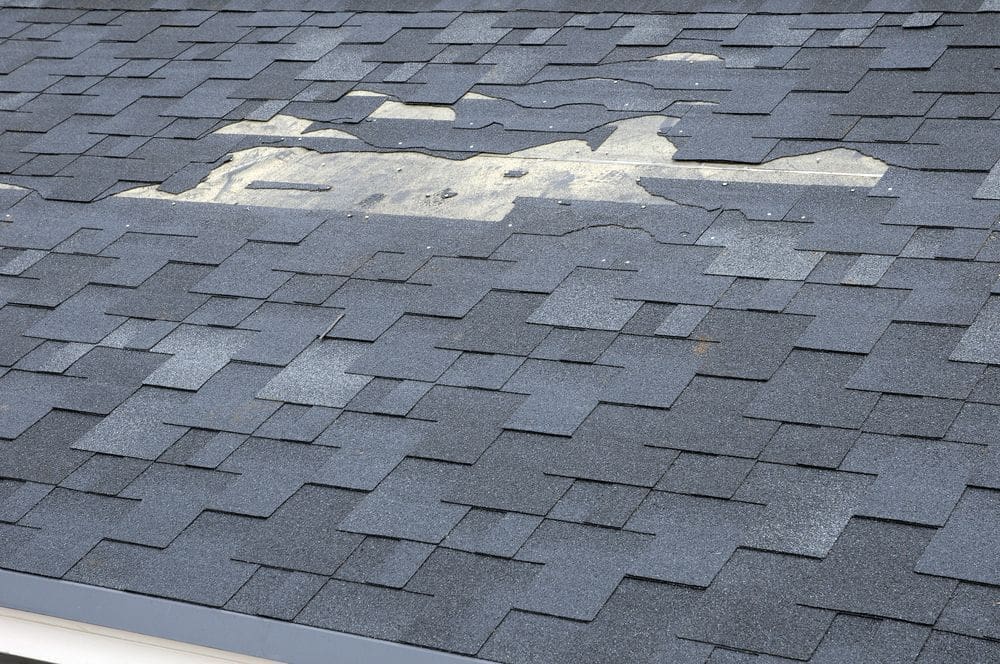
Chipped, cracked, or missing shingles/tiles
Discoloration on your shingles/tiles
Chips anywhere on your home’s exterior
Damage to gutters
Obvious leaks
See any of these signs? Call a roofing company for an inspection. Some damage is hard to spot. That is why we inspect hard-to-reach areas after a big storm.
2. Contact a Licensed Roofing Contractor
Next, call a licensed and insured roofing contractor. At Northpoint Roofing, our drone inspections are free. We use AI to take images and measurements of your roof. Then we send them to your insurer.
We also use software called Xactimate to build your estimate. Insurers trust it as the gold standard. Our report shows your insurer the damage and the repair cost. So you do not have to prove the damage yourself. Still, it helps to take your own photos.
3. File Your Claim
Once we document the damage, call your insurer to file a claim. They will send an adjuster to look at your roof. We meet the adjuster on-site. This keeps the report accurate.
4. Get Approval
After we send our estimate, there may be some back and forth. Once approved, your insurer releases the first check. Then the work can begin. You pay your deductible at this point, if you have one.
5. Get Your New Roof
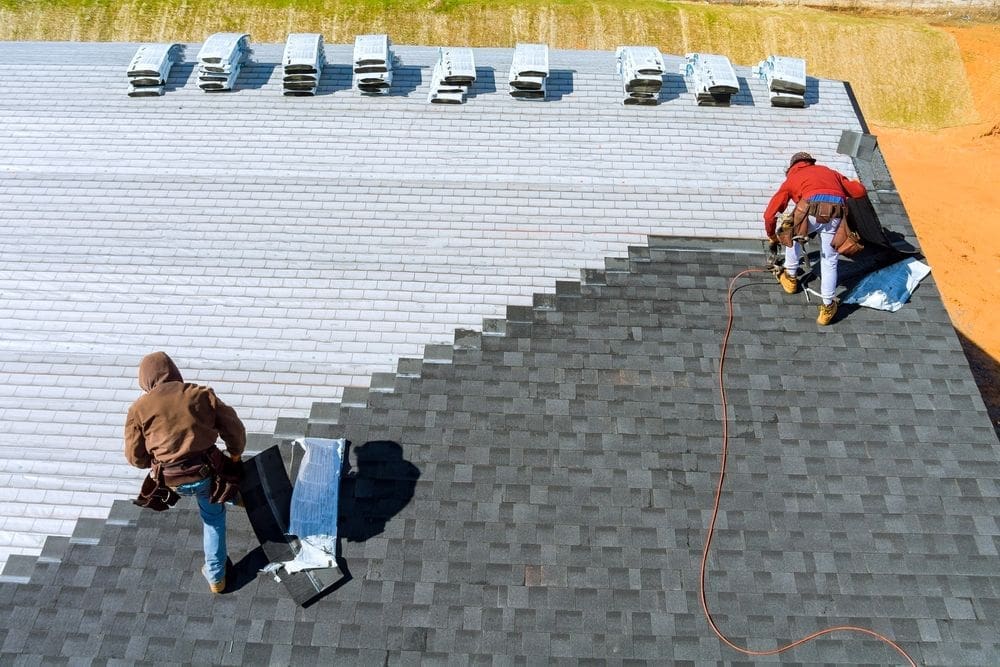
We’ll schedule a start date, order materials, and complete all prep work. Then, we’ll begin your roof restoration or replacement project. If we find any additional damage that wasn’t in your original claim, we will submit a supplement to your insurer for approval.
How to Negotiate With Your Insurer
Get the Most From Your Policy
Review your policy before you file. Check that it covers a full roof replacement. Note which events it covers and which it leaves out. Have your photos and estimate ready. Be patient during the process. Fair coverage may take some negotiation.
What If Your Claim Is Denied?
A denial is the start of negotiation, not the end. Some denials are fair. Common reasons include poor installation, bad attic venting, or filing too late.
But say your insurer found no damage. You still have options. First, ask for a second opinion from a new adjuster. Still denied? Call a structural engineer next. They can inspect your roof and give your insurer more proof.
If that fails, you have a choice. You can accept the denial. Or you can file a complaint with your state’s insurance commissioner. A complaint is a last resort. Use it only when the damage is clear and your insurer is being unfair.
FAQ’s
Get Your Roof Covered With Northpoint Roofing
Has a storm damaged your roof in Tennessee or Georgia? Northpoint Roofing can help. We repair and replace roofs. We also work with insurers to get your claim covered. And if insurance is not an option, we offer financing. Either way, you get the roof your home needs.
Contact us or schedule your free drone roof inspection today. Call 678-345-1711.