
Have you looked up and noticed dark streaks, spots, or patches on your roof that weren’t there before? Roof discoloration is common — and in Middle Tennessee and North Georgia, it’s even more common, thanks to our warm, humid climate. The good news: most causes are fixable. Here’s what those stains usually mean, and what to do about them.
Algae: Those Dark Streaks
The most common cause is algae. Those black or dark green streaks are a type of algae that feeds on asphalt shingles. It thrives in heat and humidity, which our long summers serve up. At first, algae is mostly a cosmetic problem — but over time it holds moisture against your shingles and can shorten their life.
Moss: The More Serious One
Moss is another cause, and it’s more serious. Moss grows in shaded, damp spots — often on the north side of the roof or under trees. Unlike flat algae streaks, moss is thick and spongy. It traps water against the roof, which can work under your shingles and cause rot. Our tree-heavy yards give moss plenty of shade to grow.
Granule Loss and Other Causes
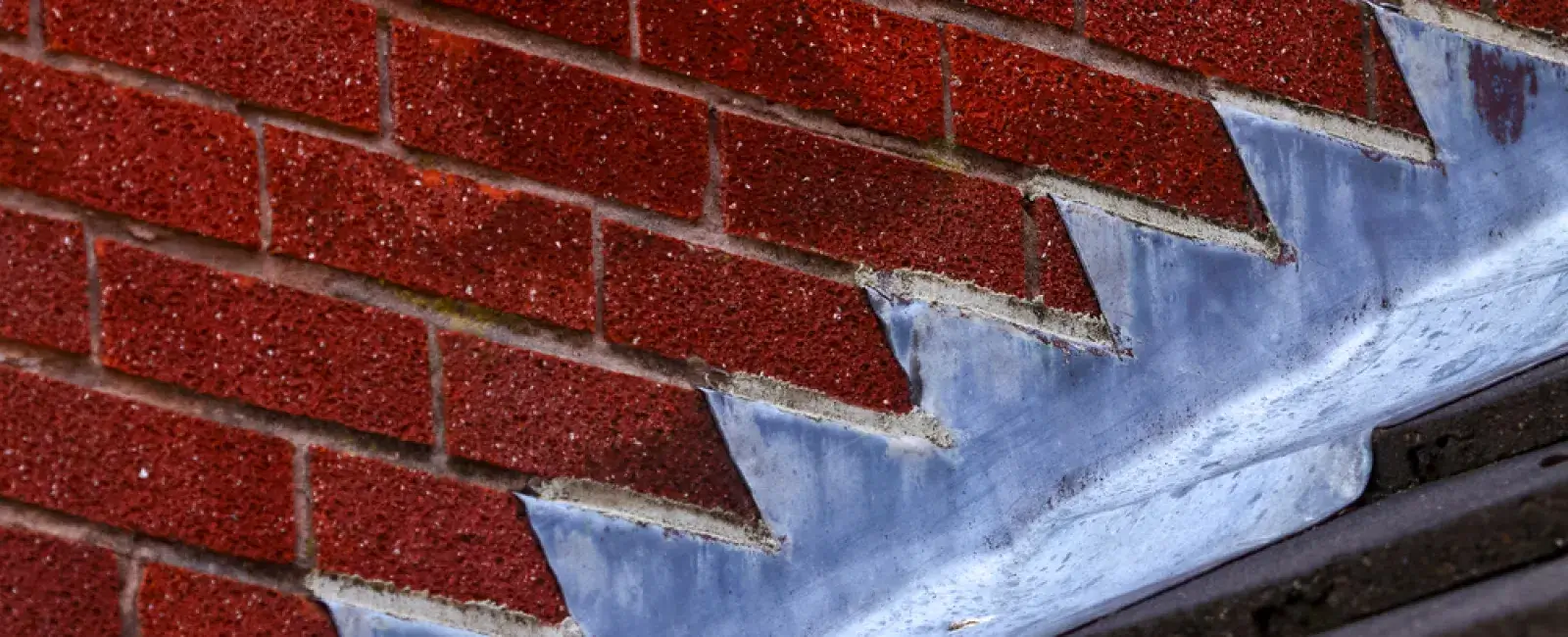
Sometimes the color change isn’t growth at all. Worn patches can show where a shingle’s top layer has lost its granules — which often points to age or storm damage. Stains can also come from rusting metal flashing or vents, or from debris that piles up and holds moisture.
What You Should Do
For algae, a professional roof cleaning helps, and algae-resistant shingles are a smart choice when you replace your roof. For moss, trimming back branches to let in more sun helps a lot. But discoloration can also be a sign of a deeper problem — like granule loss or storm damage — that you can’t judge from the ground.
Find Out What’s Really Going On
That’s where we come in. Our free drone inspection tells you exactly what’s causing the discoloration, and whether it’s just cosmetic or a sign of real damage. We serve Franklin, Kennesaw, and the nearby areas.
Schedule your free inspection or call 678-345-1711 today.