Signs You Need A New Roof: How to Know When It’s Time to Replace
Your roof works harder than almost anything else on your home. Across Middle Tennessee and the Southeast, it shrugs off summer hail, high winds, heavy downpours, and the freeze-and-thaw swings that come with every changing season. Eventually, all of that takes a toll — and at some point the question stops being if you’ll need a new roof and becomes when you need a new roof.
So how do you tell the difference between a roof that needs a quick repair and one that’s ready for replacement? Below are the clearest signs it’s time for a new roof, followed by what to do next if a few of them sound familiar.
First, How Old Is Your Roof?
Age is the simplest starting point. A typical asphalt-shingle roof lasts about 20 to 25 years, while metal and premium systems can last considerably longer. If your roof is approaching the end of that window, even a roof that *looks* okay from the ground may be living on borrowed time. Local weather shortens that lifespan, too. Intense Southeastern sun dries out and cracks shingles, severe storms tear at them, and repeated freeze-thaw cycles work moisture into every weak point. If you don’t know exactly how old your roof is — or it came with the house — that’s reason enough to have it professionally inspected.
The Top Signs You Need a New Roof
1. Missing or Damaged Shingles
A few damaged shingles after a storm may only call for a minor repair. But when missing, broken, or torn shingles show up across large areas of the roof — or your roof keeps shedding shingles after every windstorm — the surface is too worn to patch reliably. At that point, replacement protects your home better than chasing one shingle at a time.
2. Roof Leaks and Water Stains
Water stains on your ceilings or walls, damp spots in the attic, or an active drip are red flags. Leaks can start small — from failed shingles, deteriorated flashing, or a poor previous installation — and quickly snowball into rot, mold, and structural damage. The longer a leak sits, the more expensive the fix becomes, so this is a sign to act on right away.
3. Sagging or Drooping Roof
A roofline that dips or sags is one of the most serious warning signs there is. It usually means the structure beneath your shingles has a broken rafter or significant water damage — and in the worst cases, it points to a risk of collapse. A sagging roof should be inspected by a professional as soon as you notice it.
4. Excessive Granule Loss
Asphalt shingles are coated in protective granules that shield them from the sun and weather. Losing a few over the years is normal, but heavy granule loss is not. Watch for bald-looking patches on the roof and granule buildup collecting at the bottom of your downspouts and in your gutters. When the granules go, the shingles underneath age fast.
5. Cracked or Curling Shingles
As shingles age, the asphalt breaks down and the edges begin to crack, curl, or buckle. Once curling and cracking are widespread, it’s more cost-effective to replace the whole roof than to keep maintaining shingles one section at a time.
6. Moss, Mold, or Mildew Growth
Moss may look harmless, but it weaves into your shingles and lifts them, and it holds rainwater against the roof like a sponge — leaving the surface far more vulnerable to water damage. Mold and mildew can compromise your roofing materials and affect indoor air quality. Persistent growth across the roof is a sign the system is no longer shedding water the way it should.
7. Daylight or Holes Through the Roof
If you can see daylight coming through the roof boards in your attic, water and pests can get in just as easily. Holes and widespread punctures from wear, debris, or high winds mean the roof is no longer a sealed barrier — and that’s a clear signal it’s time to replace.
8. Storm, Hail, and Wind Damage
Storms are one of the biggest reasons homeowners across Tennessee, Georgia, and Florida end up needing a new roof. Hail bruises and cracks shingles, high winds lift and strip them, and fallen limbs cause direct impact damage. After any severe storm, it’s worth having your roof checked — and if the damage is significant, you may be able to file an insurance claim to offset the cost of replacement.
Repair or Replace? How to Decide
Not every problem on this list means a full replacement. When you’re weighing repair against replacement, three factors matter most:
- What is the extent of the damage? Localized, isolated damage can often be repaired. Damage spread across the roof usually points to replacement.
- Age of the roof. If your roof is already near the end of its lifespan, paying for repairs can be throwing good money after bad — replacement is often the smarter long-term investment.
- Cost over time. Sometimes a new roof actually saves money compared to repeated repairs, while also restoring full warranty protection and peace of mind.
Re-Roof vs. Full Roof Replacement
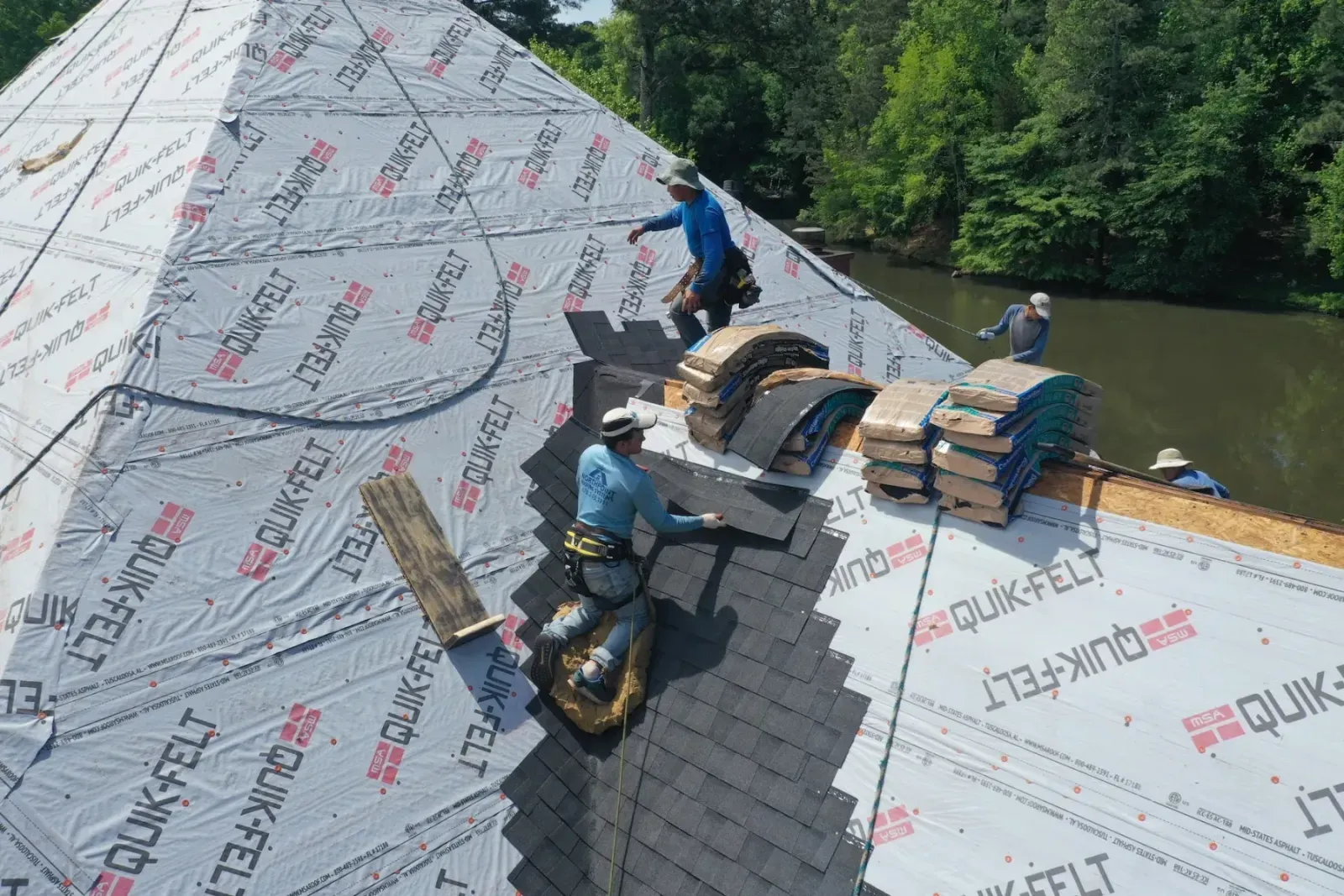
When you start getting estimates, you’ll hear the terms “re-roof” and “full roof replacement.” Re-roofing lays a new layer of shingles over the old one. We don’t recommend it — it hides underlying problems like a rotten deck or failing flashing instead of fixing them. A full replacement removes the old roof down to the deck, addresses anything hidden underneath, and gives you a brand-new, high-quality roof built to last.
Sometimes You just Want a Fresh Look
Not every reason to replace is a problem to fix. Your home is a major investment, and a new roof is one of the most visible upgrades you can make — instantly boosting curb appeal, modernizing your home’s style, and often increasing its value when it’s time to sell. Newer roofing materials can improve ventilation and energy efficiency too, which can mean lower energy bills. Whatever your reason, it’s a valid one.
Think You Need a New Roof? Here’s What to Do Next
If a few of these signs sound familiar, the next step is simple: get a clear, honest assessment of your roof’s condition. At Northpoint Roofing Systems, that starts with a free roof inspection, where we capture detailed measurements and photos of your entire roof. We have the ability to use FAA-licensed drone pilot minimizing the risk climbing around up there. You get a written report for you to keep, whether or not you hire us.
From there, our residential and commercial roofing teams walk you through everything: which areas need attention, your material options from leading manufacturers, financing options are available, and we can assist with how to navigate the insurance process if storm damage is found. Most residential roof replacements are completed in just 1–2 days after you make selections and materials are ordered.
We proudly serve homeowners across Franklin, TN; Kennesaw, GA; Ft. Myers, FL; and the surrounding Nashville and Atlanta communities.
Schedule your free inspection today and get a straight answer about the roof over your head.