
Your commercial roof is one of your building’s most valuable and most exposed assets. It protects your inventory, your equipment, your staff, and your whole operation. Yet for many owners and facility managers, the roof stays out of sight and out of mind, until something goes wrong.
A professional inspection changes that. It gives you a clear, documented picture of your roof’s condition before small problems turn into costly emergencies. If you have never booked one, or you are not sure what to expect, this guide walks you through the full process.
How Often Should a Commercial Roof Be Inspected?
Most experts recommend inspecting a commercial roof twice a year, in spring and fall. You should also inspect after any major weather event, such as a hailstorm, high winds, or a hard freeze. These events are common across our markets, from North Georgia and Middle Tennessee storms to heavy rain and hurricanes in Ft. Myers.
Two inspections a year create a steady baseline. That record helps you track the roof over time. It also supports insurance claims and budget planning. And it shows due diligence if you ever sell the building. Skipping inspections does not save money. It only delays finding problems that grow more expensive with time.
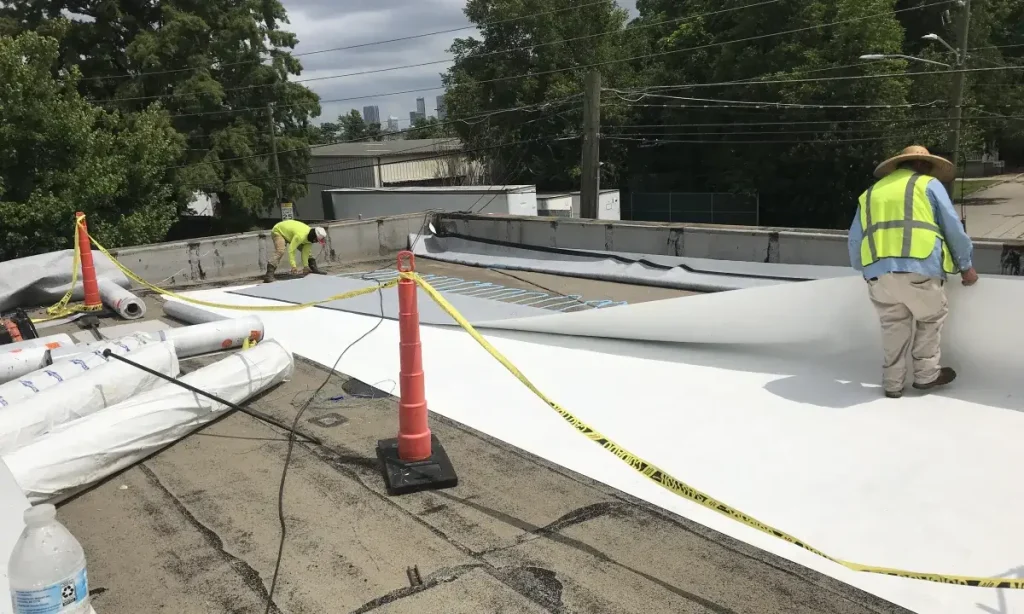
What to Expect During A Commercial Roof Inspection
A thorough commercial inspection covers five clear phases. Here is what happens at each one.
1. Interior Leak Assessment
The inspection starts inside the building. That surprises some managers, but it is one of the most useful steps. Inspectors check ceilings, walls, and support beams for signs of water getting in. Rust stains, water marks, discoloration, and mold are all warning signs. They mean the roof has been letting moisture in. Often this has gone on longer than anyone realized. Spotting this from inside gives the inspector key clues before stepping onto the roof.
2. Exterior Assessment
Next, the inspector moves to the roof surface and all outside parts. For some properties, Northpoint adds drone footage to the inspection. Our FAA Part 107 certified pilots capture aerial images of hard-to-reach areas and a clear visual record of the roof. Every exterior inspection covers the same checklist:
- Membrane condition: blistering, shrinkage, tears, and seam separation
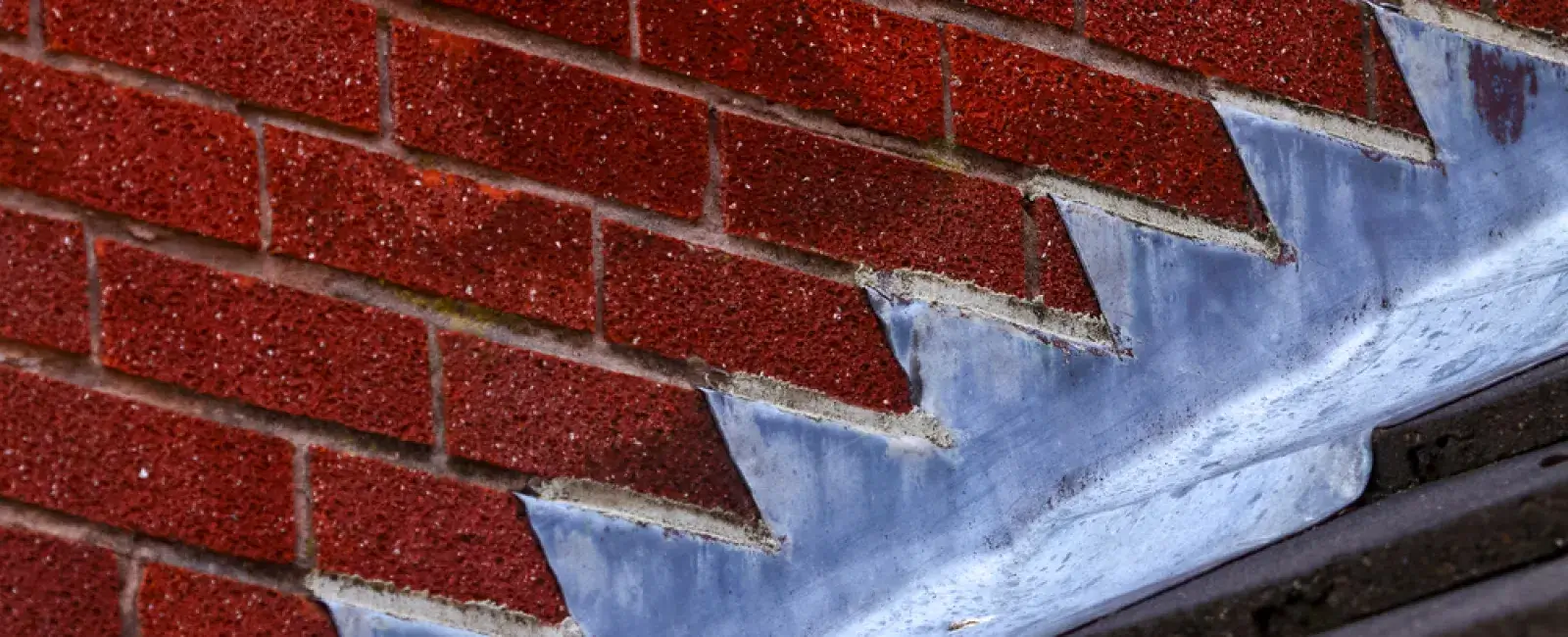
- Flashing: around vents, parapet walls, and edge details
- Drainage: gutter and drainage system performance
- Debris: plant growth or debris buildup
- Materials: missing or shifted roofing materials
- Ponding: standing water or poor drainage slope
- Surface wear: cracks, punctures, or UV damage
- Ponding and UV wear are common on flat roofs in our hot, rainy Southeast climate, and the threat is highest in Ft. Myers.
3. Rooftop Equipment Check
Most commercial roofs hold HVAC units, exhaust systems, or other equipment. The roofing around this gear often wears first. Leaks usually start at the edges, curbs, and seals around rooftop machines. The inspector checks the membrane, flashing, and materials at each penetration point and documents any concerns. One note: roofers inspect the roofing around the equipment, not the equipment itself. For machine issues, contact your equipment service provider.
4. Core Sampling When Needed
Not every inspection needs core sampling. When it does happen, it is a sign of a thorough team. Core sampling removes a small section of the roof to see what is underneath. It helps in three cases: when the inspector needs the roof’s age, when moisture may have reached the insulation, or when we take over from a past contractor. The sample shows the number of roof layers, the insulation’s condition, and the moisture inside. The inspector patches the sample afterward, leaving the roof intact.
5. Detailed Inspection Report
When the inspection ends, you get a full written report, not just a quick verbal summary. The report includes drone images and AI-analyzed data, the inspector’s findings, photos of any problem areas, and a clear next step. That step may be a maintenance plan, targeted repairs, or a full replacement review. This report also creates a dated record of the roof’s condition. That record helps with insurance, property sales, budget planning, and future maintenance.
2. Comprehensive Exterior Assessment
Once the interior walkthrough is complete, the inspector moves to a thorough evaluation of the roof surface and all exterior components.
For certain properties, Northpoint offers drone footage as part of the inspection process. When available, aerial imaging can provide useful documentation of hard-to-reach areas and a visual record of the roof’s overall condition.
Regardless of whether drone footage is used, every exterior inspection covers the same comprehensive checklist:
- Membrane condition — blistering, shrinkage, tears, and seam separation
- Flashing around penetrations, parapet walls, and edge details
- Gutter and drainage system performance
- Vegetation growth or debris accumulation
- Missing or displaced roofing materials
- Evidence of ponding water or improper drainage slope
- Cracks, punctures, or UV degradation of the surface material
What Happens After the Inspection
Your report will point to one of three paths:
- Preventative maintenance. If the roof is in good shape, the inspector suggests a plan to fix minor issues and a schedule for future checks. This is the best case, and the goal of twice-a-year inspections.
- Targeted repairs. If there is specific damage, like failed flashing or membrane tears, you get a repair plan with cost estimates. Fixing problems early almost always costs far less than waiting.
- Replacement review. If the roof is near the end of its life, or damage is widespread, the report lays out the case for replacement and a path forward.
In every case, our team explains the findings in plain language. We also work around your building’s schedule to limit disruption to your business.
Schedule Your Free Commercial Roof Inspection
Protect your building from the top down. Northpoint offers free commercial roof inspections across Kennesaw and Metro Atlanta, Franklin and Middle Tennessee, and Ft. Myers, Florida. Contact us to schedule yours.