Your roof works hard to protect your home from sun, rain, and wind. So a sag in that roofline is bound to catch your eye, and your concern. Here is some reassurance: a sagging roof does not always mean a collapse is coming. But it is never something to ignore. A sag is a sign that something underneath needs attention. The sooner you act, the easier and cheaper the fix. Let’s look at what causes a roof to sag, how to spot it, and what to do next.
What Is a Sagging Roof?
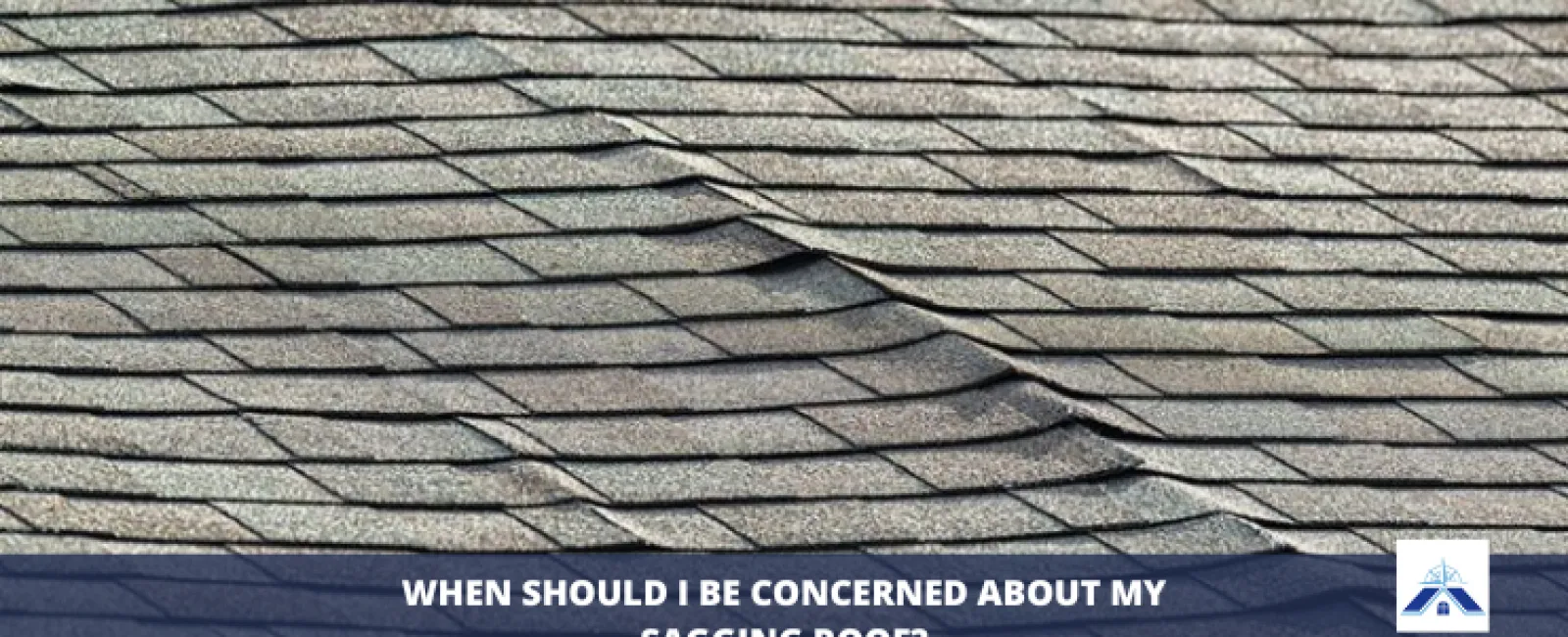
A sagging roof has a curved, dipped, or wavy look instead of a straight, even line. It often shows up on roofs that have gone years without care or replacement. Over time, the structure slowly weakens. Older homes with dated roof designs are more likely to sag, too.
How Much Roof Sag Is Okay?
The short answer is none. A small sag may not be dangerous today. But left alone, it tends to get worse and lead to bigger problems. A sagging roof also drags down your home’s look. So any sag is worth a closer look by a pro.
What Causes a Roof to Sag?
A roof can start to sag for several reasons:
- Water damage. This is the most common cause in our climate. Heavy rain and high humidity across Kennesaw, Franklin, and Ft. Myers can lead to moisture buildup. Over time, that moisture rots the wood decking underneath, and the roof begins to sag.
- Too much weight. A roof can hold a lot, but not an endless amount. Piled-up debris, extra layers of old shingles, or standing water can all add stress. In our area, that is far more common than heavy snow.
- Age. Like anything else, a roof wears down over the years. An old, tired structure is more likely to sag. Routine care helps slow this down.
- Storm damage. Hail, high winds, and fallen limbs are common across North Georgia and Middle Tennessee, and tropical storms hit Ft. Myers. Any of these can weaken your roof.
- Poor design or workmanship. Sometimes a roof was simply not built right. Wrong-sized rafters or weak bracing can lead to a sag down the road. Choosing a trusted contractor from the start helps you avoid this.
How to Tell If Your Roof Is Sagging
A roof’s natural slope can make sagging hard to spot. Here are some safe, ground-level ways to check:
- Step back and look. View your roof from across the street, and look for dips or waves in the line.
- Check your gutters. Gutters pulling away from the roof can be a warning sign.
- Watch the ridgeline. A dip along the peak of the roof is a common clue.
- Look for damage or cracks. Visible damage can point to sagging underneath.
For a closer look, leave the climbing to a professional.
Can a Sagging Roof Be Fixed?
Good news: in most cases, yes. First, a pro inspects your roof to find the cause. Then they recommend the right fix. Common repairs include:
- Bracing or jacking the roof to support it during repairs
- Replacing rotted or damaged wood
- Adding extra structural support
- Repairing or replacing gutters
- Fixing damaged shingles
- A full roof replacement, if the damage is severe
How to Prevent Roof Sag
A few simple habits go a long way:
- Keep your gutters clean. Clear gutters move water away from your roof and home, which helps prevent water damage.
- Replace an aging roof on time. When your roof reaches the end of its life, do not wait. An old roof only invites more problems, like sagging.
- Avoid overloading the roof. Keep heavy items and piled debris off your roof so the structure is not under extra stress.
- Schedule regular inspections. Routine inspections and maintenance are the best way to catch and prevent sag early.
Call Northpoint Roofing Systems
Is your roof sagging? Do not wait to find out why. Call Northpoint Roofing Systems at 678-345-1711 to schedule a roof inspection. Our team will find the cause and recommend the right repair to keep your home safe and strong. We serve homeowners across Kennesaw and Metro Atlanta, Franklin and Middle Tennessee, and Ft. Myers, Florida.